Evidence-based nutrition for women
Real answers about your body,
minus the hype.
Gut health, hormones, and the supplements worth knowing, explained in plain English and grounded in real research. No fear-mongering, no fads. Just honest answers, written for you.

Best Supplement for Appetite Control for Women: 5 Compared
Psyllium, saffron, chromium, whey and glucomannan, ranked on what the trials measured.
Browse by topic
Gut Health
Your microbiome, digestion, probiotics, and the food-first habits that keep your gut happy.
Explore →Hormones
PCOS, perimenopause, menopause, and the everyday science of feeling like yourself.
Explore →Supplements
Creatine, fiber, and more — what the research really says, minus the hype.
Explore →Latest from the Desk
All articles →
Can Ashwagandha Cause Weight Gain? What the Trials Found
Can ashwagandha cause weight gain? Controlled trials found small losses, not fat gain. The three reasons the scale can still go up, explained for women.

Iron Supplement for Sensitive Stomach: What Helps
The best-tested iron supplement for a sensitive stomach, plus the dose, schedule and food tips that cut nausea and constipation, backed by trials.

Best Birth Control for Weight Loss: 7 Methods Compared
The best birth control for weight loss, compared: copper IUD, pill, Yasmin, patch, ring, hormonal IUD, implant and the shot on weight and body fat.

How Many Calories Should a Woman Eat to Lose Weight?
How many calories should a woman eat to lose weight? Most women lose on 1,200 to 1,500 a day. Work out your own number in 3 steps, with targets over 40 and 50.

Hormones and Weight Loss in Women: Which Ones Matter
Hormones and weight loss in women: how estrogen, insulin, cortisol, thyroid and appetite hormones affect your weight, and the habits that help.
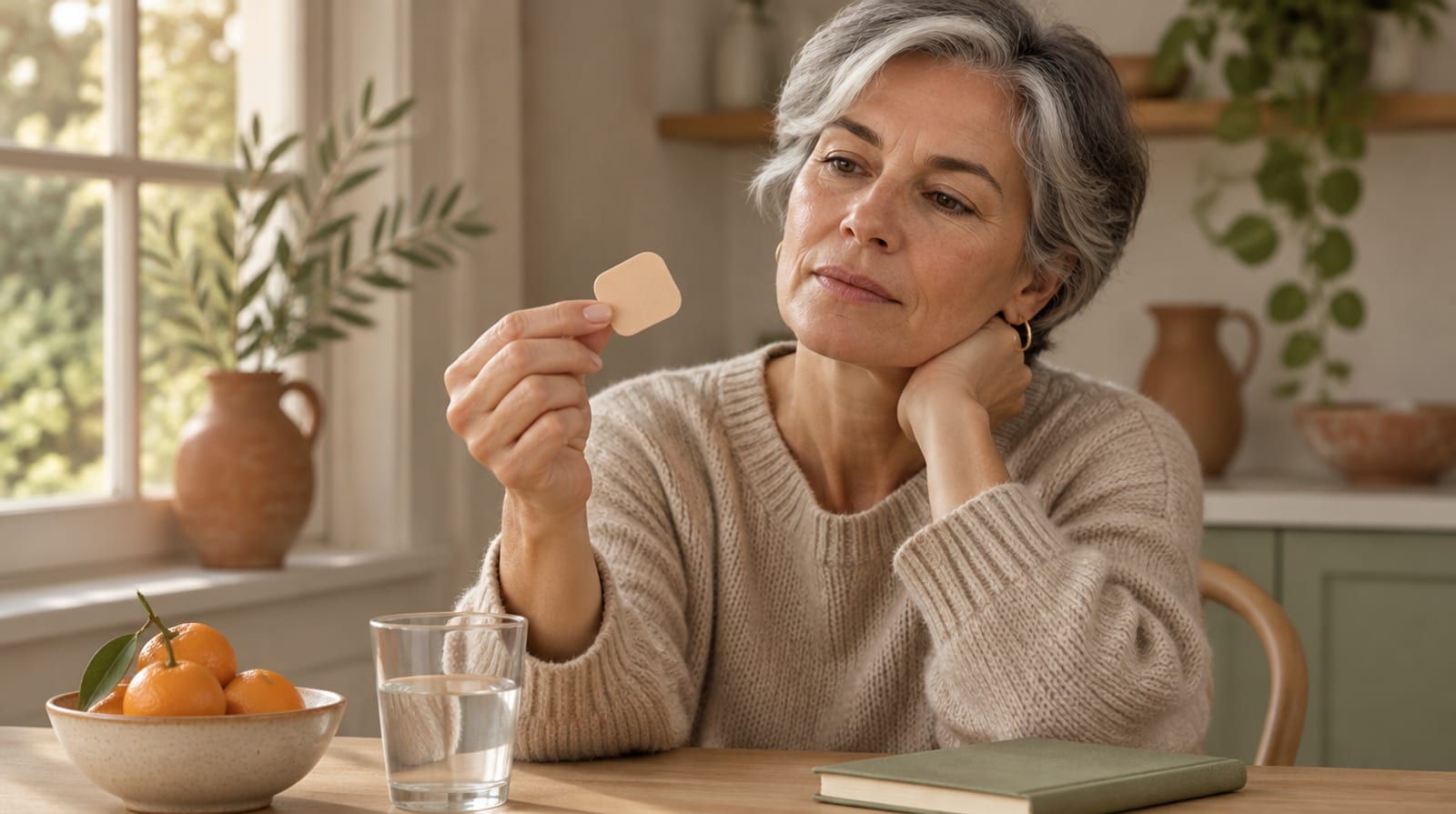
Best Weight Loss Patches for Women Over 50: 5 Types Compared
Weight loss patches for women over 50 compared on dose, skin absorption, human evidence and safety: berberine, GLP-1, garcinia, vitamin and estrogen patches.
Why trust us
Grounded in research, written like a friend.
Every article is built on real, cited studies from PubMed and written at a level that actually makes sense. No jargon, no scare tactics, no hype. When we review a product, we start with the evidence, and we tell you plainly if a link earns us a commission.