Topic
Supplements
Creatine, fiber, and more — what the research really says, minus the hype.
Best Iron Supplement for Women: 5 Forms Compared Honestly
The best iron supplement for women, compared on evidence, stomach side effects, dose and cost. Bisglycinate wins for most women, sulfate is the budget pick, and every other day dosing beats daily.
Vitamin D for Women Over 50: How Much to Take and When More Is Not Better
Vitamin D for women over 50: 600 IU a day to age 70, 800 IU after. Why high doses backfired in trials, why calcium matters, and who should get tested.

Does Ashwagandha Make You Sleepy? What the Trials Actually Show
Does ashwagandha make you sleepy or tired the next day? What the sleep trials measured, why a few women feel drowsy or wired on it, and the best time to take it.
Do Seed Cycling Capsules Work? What the Labels Leave Out
Do seed cycling capsules work? The seeds have early research behind them, but the trials used tablespoons and a capsule holds about a gram. Here is how to check the dose.

Magnesium Glycinate vs Citrate for Women: Which One to Take
Magnesium glycinate vs citrate for women: glycinate is gentler and suits sleep, stress, and PMS; citrate absorbs well and helps constipation. Doses, the 350 mg limit, and who should skip each.
Ashwagandha for Weight Loss: What the Research Shows for Women
Does ashwagandha help with weight loss? It is not a fat burner. Small trials in stressed adults and menopausal women show lower stress, cravings, and a small drop in weight or body fat. Dose, timing, and who should skip it.
Best Creatine for Women: Which Form Actually Works
The best creatine for women is plain creatine monohydrate, 3 to 5 grams a day, from a third-party tested brand. Here is how it compares with HCl, gummies, and newer forms, what it does to the scale, and who should skip it.
Does Collagen Help With Weight Loss for Women Over 40?
Collagen is sold to women over 40 as a weight loss helper. In the trial that tested it against whey in women, collagen was the arm that did not lose belly fat. Here is what it does and does not do.

Low Iron and Your Period: What Heavy Bleeding Does, and What It Does Not
Heavy periods are a leading cause of low iron in women. Whether low iron can stop your period is a different question with much thinner evidence. Here is what the research shows, how heavy is too heavy, and what to ask for when you test.
Best Probiotic for Women Over 40: What the Strain Evidence Actually Says
The best probiotic for women over 40 is a strain decision, not a brand decision. We compare five options on named strains, disclosed doses, and real human trials, and crown a winner with its downsides stated.
Hair Loss During Weight Loss: Why It Happens and What Actually Helps
Shedding two or three months into a weight loss stretch is common, usually temporary, and rarely fixed by a hair supplement. Here is what causes it, what the GLP-1 data really shows, and the short list of things worth doing.

Melatonin: The Dose Most People Get Wrong
Melatonin is a timing signal, not a sedative. Here is what the trials actually found, why 0.3 mg often beats 10 mg, where melatonin genuinely works, and why the label on the bottle is frequently wrong.
Electrolyte Powders: Who Actually Needs Them, and Who Is Buying Flavored Salt
Electrolyte sticks are everywhere, and most of the people drinking them do not need them. Here is who genuinely benefits, why women lose less salt in sweat, and how to read a label without getting talked into a subscription.
Folate vs. Folic Acid: What MTHFR Testing Does and Does Not Tell You
A gene result has convinced a lot of women to avoid folic acid. Here is what the MTHFR variant actually does, why medical geneticists recommend testing for it less, and how methylfolate and folic acid really compare.
Vitamin B12: Who Is Actually Low, and the Metformin Angle
B12 shots are sold as an energy fix, but B12 only helps people who are genuinely low. Here is the short, well studied list of who that is, why metformin and acid blockers belong on it, and why a normal test result does not always settle the question.

Ashwagandha for Stress and Sleep: What the Trials Actually Show
Ashwagandha has more randomized trials behind it than most trending supplements. Here is what they found for stress, anxiety, and sleep, how strong that evidence really is, and the two safety issues the bottle does not mention.
Is Butyrate Worth the Hype? Yes, But Only in the Right Form
Butyrate is having a moment, and most of the shelf is the wrong version of it. We compare butyric acid, sodium butyrate, tributyrin, and L-lysine butyrate on the one thing that matters: whether any of it reaches your blood.
Cranberry, D-Mannose, and UTIs: What Actually Prevents Them
Cranberry holds up better than most people expect. D-mannose did not survive its largest placebo controlled trial. Here is the cited version of what prevents urinary tract infections in women, and what to skip.
Do Gut Health Gummies Actually Work? How to Read the Label
Gut health gummies are the fastest growing corner of the supplement aisle. Here is the cited version of what is really in them, why the dose usually falls short, and the four things worth checking before you buy.
Berberine: What the Research Really Says
Berberine gets sold as nature's answer to weight loss drugs. The trials tell a smaller, more specific story. Here is the honest version for women: what it actually does for blood sugar, what it does not do for weight, what it may do for PCOS, and the safety questions that are still open.
Collagen: Hype vs. Evidence, and What the Trials Actually Found
Collagen powder is in everyone's coffee. Here is the honest, cited read on what the research supports for skin, bone, and joints, what it will not do, and why the funding behind the studies matters.
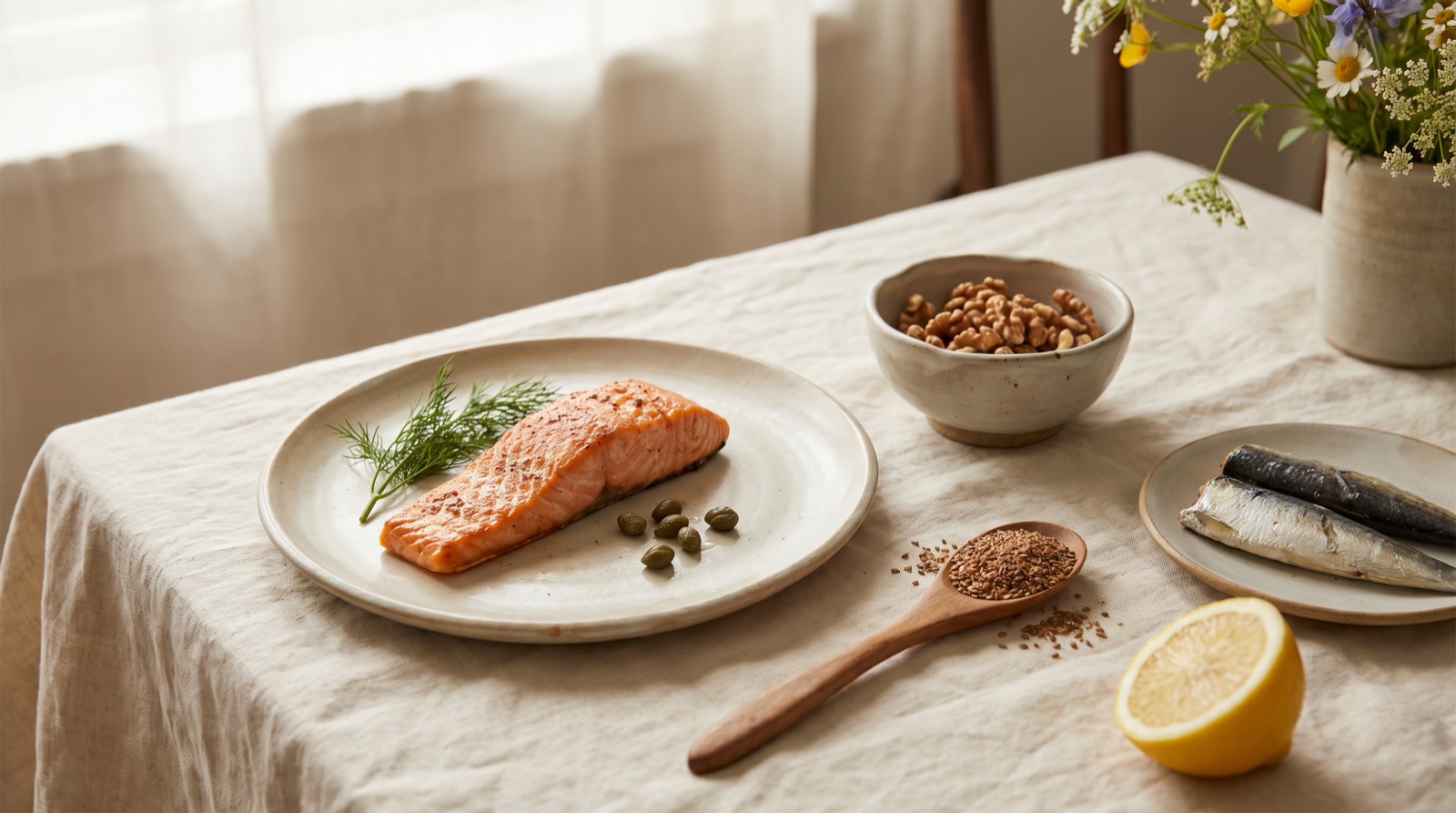
Omega-3s for Women: What They Actually Do (and Where the Evidence Is Strongest)
ALA, EPA, DHA, and what a fish oil capsule can and cannot do for you. An honest, cited guide to omega-3s for women, from pregnancy to period pain to your heart.
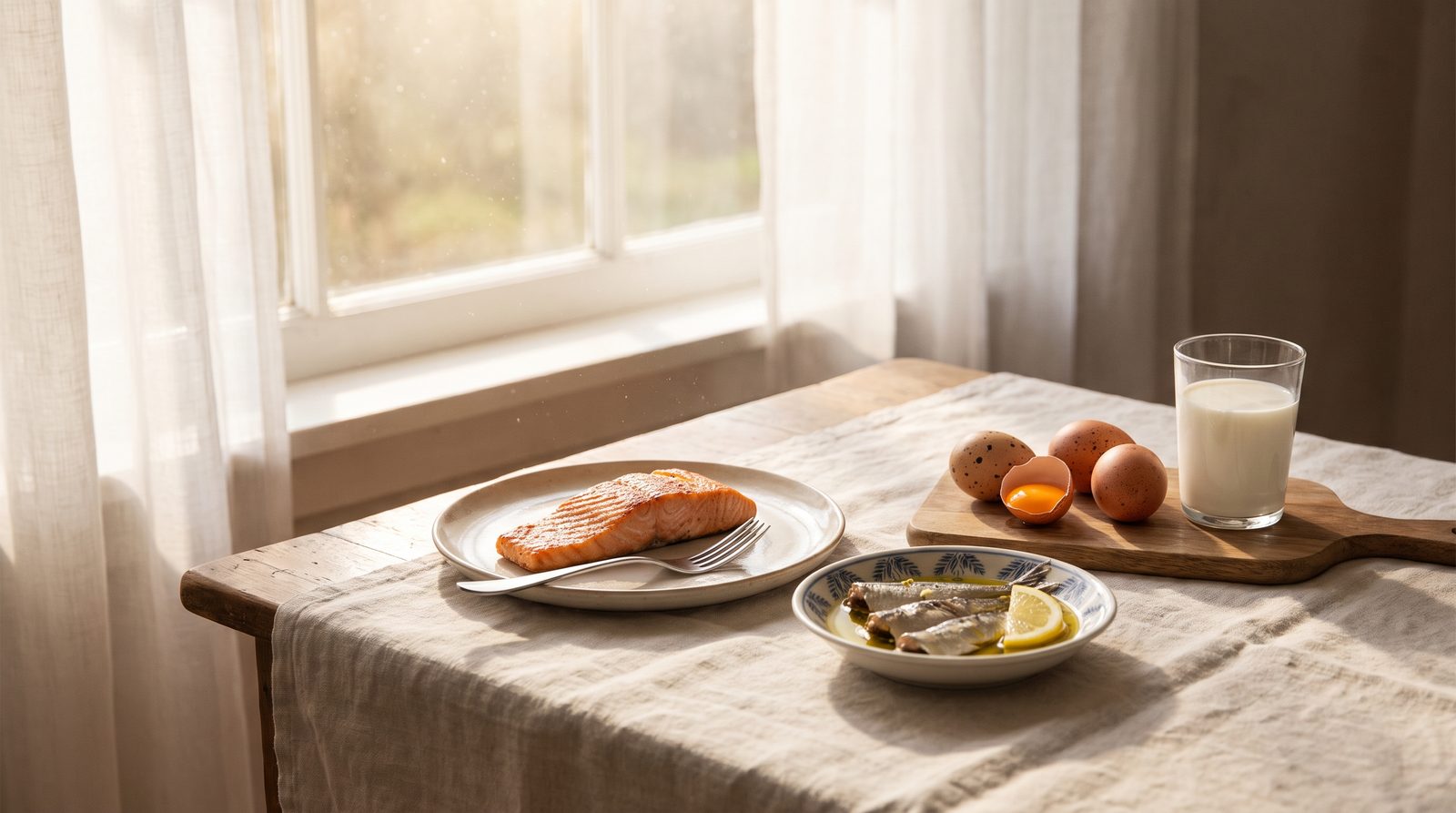
Vitamin D and Women: Why So Many Are Low (and What to Do)
Low vitamin D is common, but the advice around it is full of hype. Here is the honest, cited guide to what vitamin D really does, who is actually low, and how to test and dose sensibly.

Eating Well on GLP-1 Medications: Protect Your Muscle, Ease the Side Effects
GLP-1 medications work, but the weight you lose is not all fat. Here is the honest, cited guide to protecting your muscle and easing nausea while you eat a lot less.
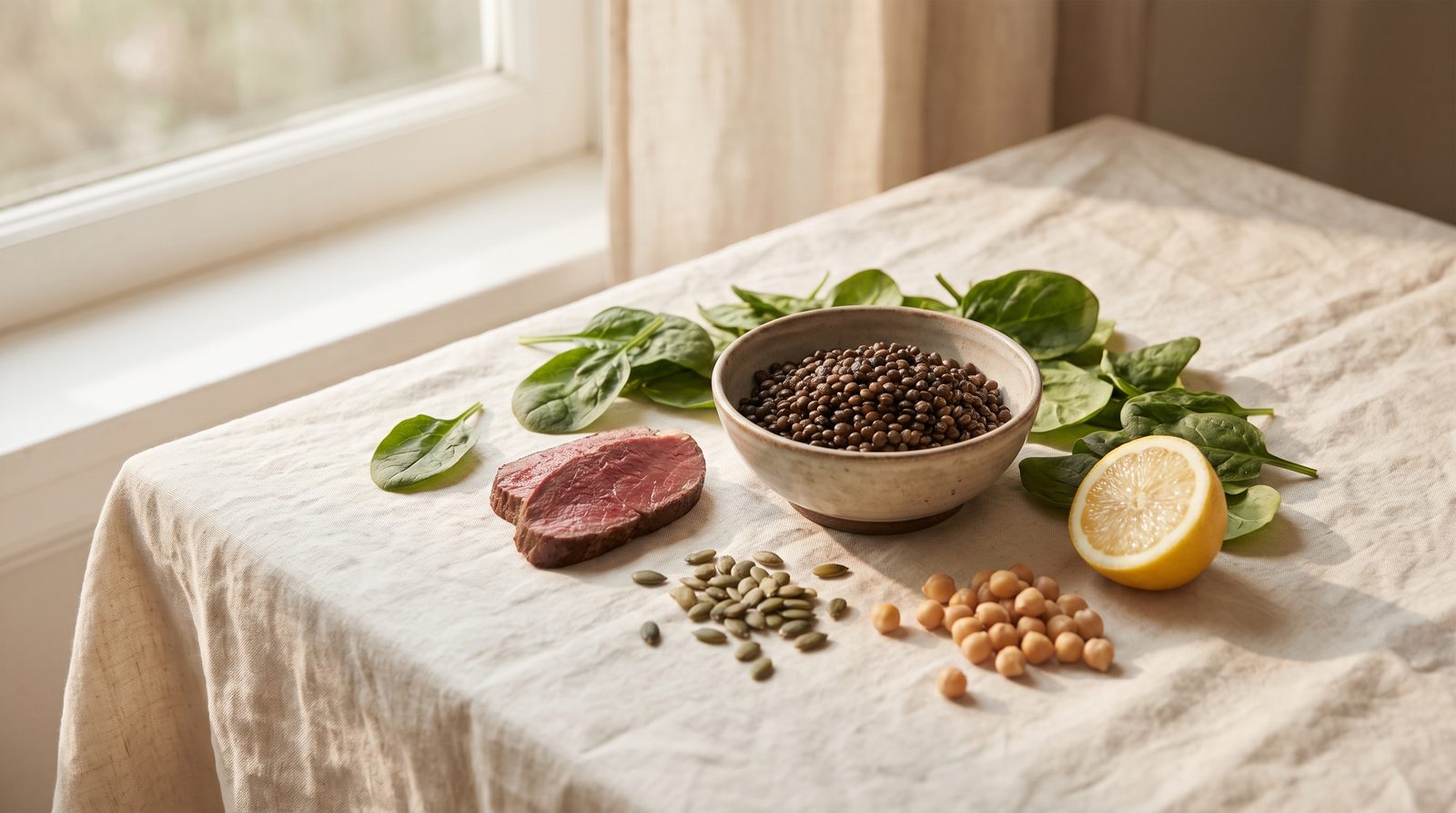
Low Iron in Women: Signs You're Running on Empty
Low iron is one of the most common and most missed reasons women feel wiped out. Here is the honest, cited guide to the signs, who is at risk, and what to do.
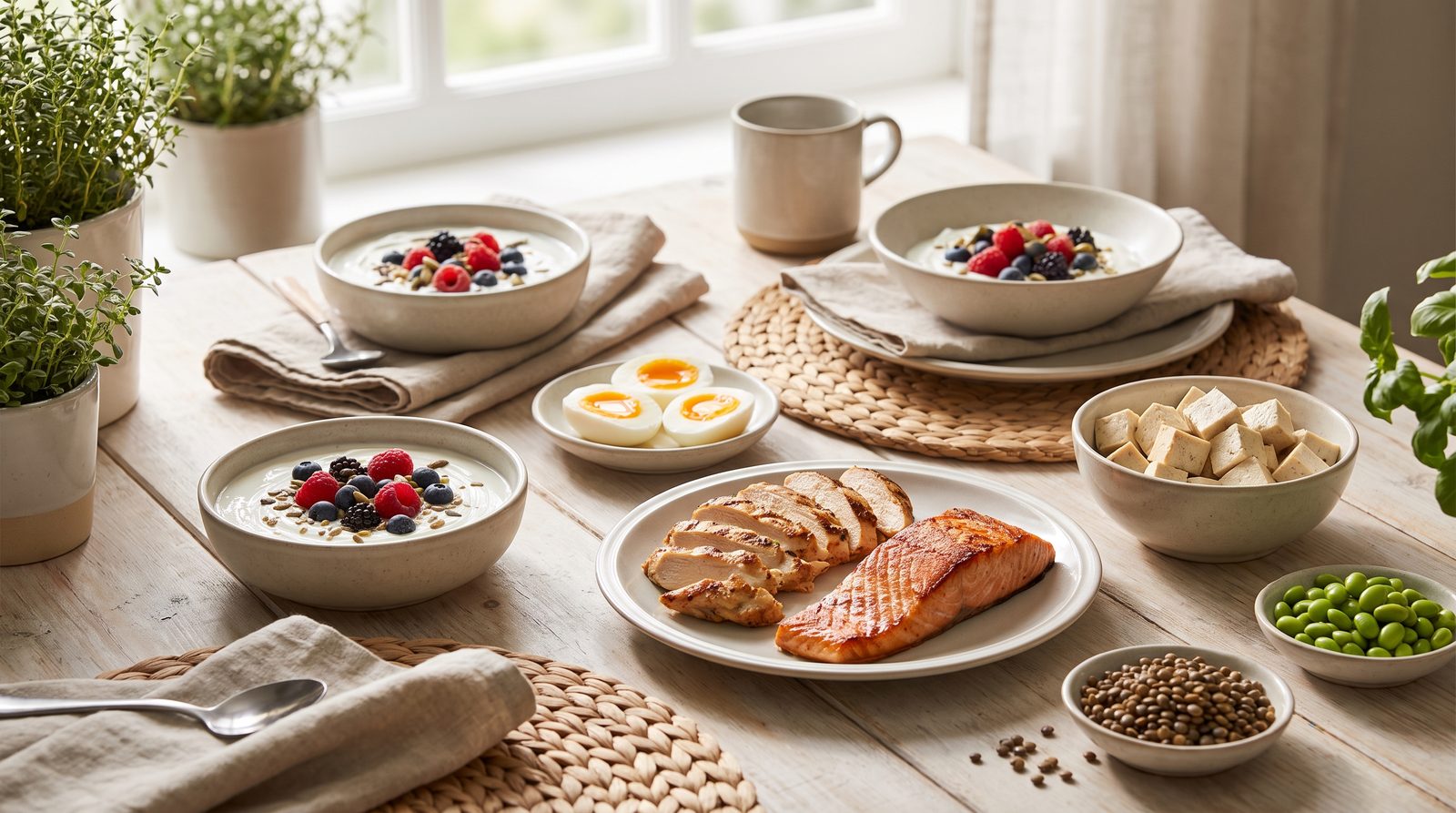
Protein for Women: How Much You Really Need at Every Age
Protein is having a moment, and for good reason. Here is the honest, science-backed guide to how much protein women actually need, why it matters more with age, and easy ways to hit your target.
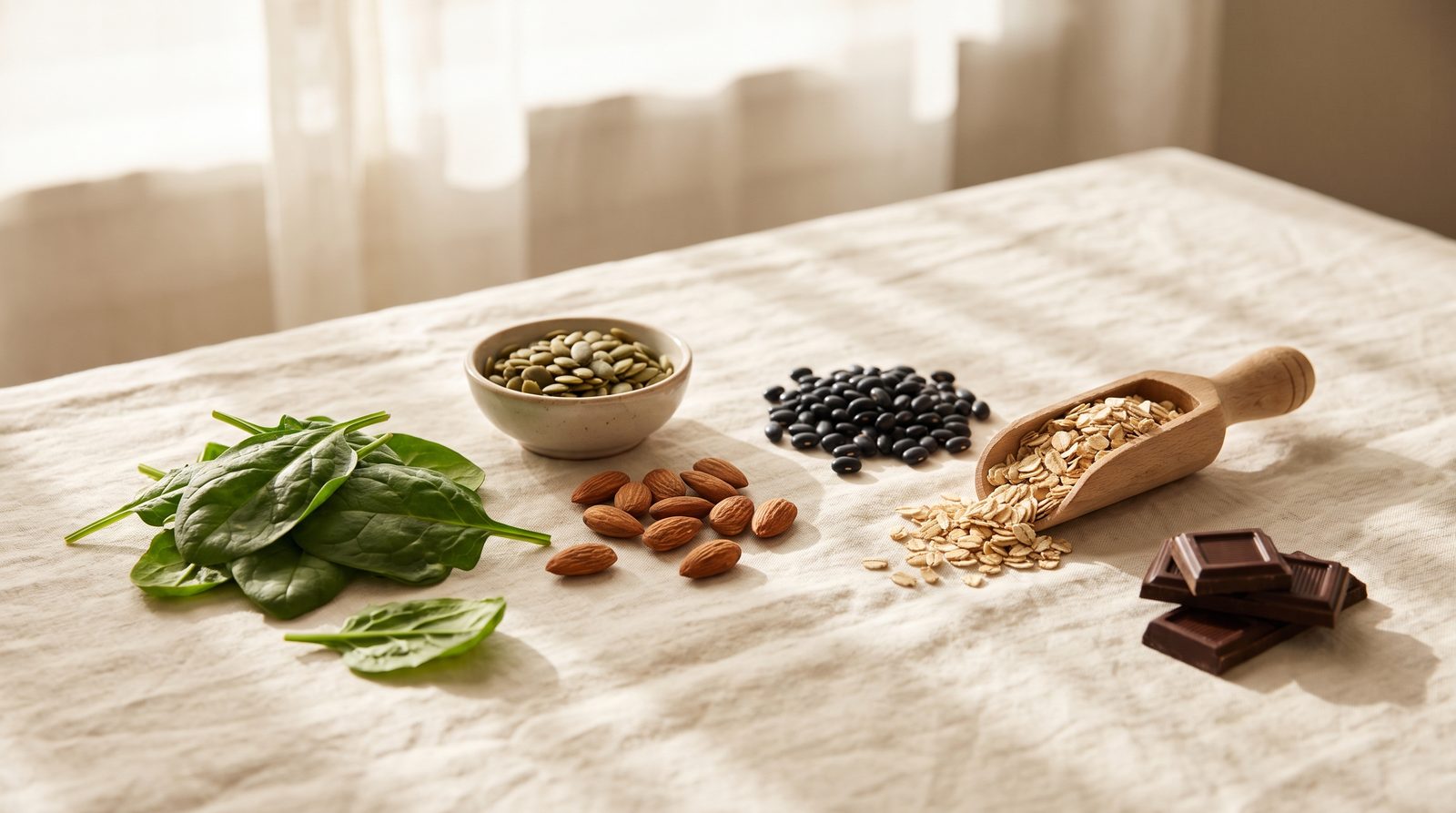
Magnesium for Women: Which Type for Sleep, Stress, and Cramps
Magnesium is everywhere online right now. Here is an honest, science-backed look at what it really does for women, which forms to consider, and food-first sources.
Creatine for Women: What It Actually Does (and What It Doesn't)
Creatine isn't just for men. Here's the real science on how it helps women with strength, brain and mood, and the menopause years.