The Desk
Every article
Warm, honest, women-focused nutrition. Each piece is grounded in real, cited research, with no hype and no fear-mongering.
Butyrate Supplement Side Effects: What Human Trials Found
Butyrate supplement side effects are mostly mild: brief nausea, headache, and the smell. The one real caution is a 2024 trial where sodium butyrate raised blood pressure. Here is what was measured.
Best Probiotic to Take With Antibiotics: 4 Options Compared Honestly
The best probiotic to take with antibiotics, compared on trial evidence, dose, timing, tolerability, and cost. Saccharomyces boulardii wins for most women, with its downsides stated, plus when to start, how far apart, and how long to keep going.
Food Noise in Women: Why It Gets Louder Before Your Period and in Menopause
Food noise in women is common and often hormonal. Why it rises before your period and in menopause, how sleep and dieting feed it, and what helps.
I Can't Stop Eating Sugar: Why It Hits Women Harder and What Helps
Thinking "I can't stop eating sugar"? For women, cravings track the menstrual cycle, sleep, stress and skipped meals. What the research shows, and what actually helps.
Best Iron Supplement for Women: 5 Forms Compared Honestly
The best iron supplement for women, compared on evidence, stomach side effects, dose and cost. Bisglycinate wins for most women, sulfate is the budget pick, and every other day dosing beats daily.
Vitamin D for Women Over 50: How Much to Take and When More Is Not Better
Vitamin D for women over 50: 600 IU a day to age 70, 800 IU after. Why high doses backfired in trials, why calcium matters, and who should get tested.

Does Ashwagandha Make You Sleepy? What the Trials Actually Show
Does ashwagandha make you sleepy or tired the next day? What the sleep trials measured, why a few women feel drowsy or wired on it, and the best time to take it.
Best Fiber Supplement for Women: 5 Types Compared Honestly
The best fiber supplement for women, compared on evidence, what it helps, dose, tolerability, and cost. Psyllium wins for most women, PHGG is the gentle pick for IBS, and glucomannan is not worth it for weight loss.

Gluten and Endometriosis: What the Research Actually Shows
Gluten and endometriosis, without the hype. The one study behind the gluten free advice had no control group, and reviewers say to skip it unless you have celiac disease. What the evidence does support for endo gut symptoms.
Do Seed Cycling Capsules Work? What the Labels Leave Out
Do seed cycling capsules work? The seeds have early research behind them, but the trials used tablespoons and a capsule holds about a gram. Here is how to check the dose.

Magnesium Glycinate vs Citrate for Women: Which One to Take
Magnesium glycinate vs citrate for women: glycinate is gentler and suits sleep, stress, and PMS; citrate absorbs well and helps constipation. Doses, the 350 mg limit, and who should skip each.
Ashwagandha for Weight Loss: What the Research Shows for Women
Does ashwagandha help with weight loss? It is not a fat burner. Small trials in stressed adults and menopausal women show lower stress, cravings, and a small drop in weight or body fat. Dose, timing, and who should skip it.
PCOS Weight Loss Diet: What the Trials Actually Compare
Looking for the best PCOS weight loss diet? The trials show no single winner. Here is what low GI, intermittent fasting, keto, and very low calorie diets actually did for women with PCOS.

Best Supplements for PCOS: 5 Options Compared Honestly
The best supplements for PCOS, compared on evidence, what they help, dose, tolerability, and safety. Inositol wins for cycles, vitamin D helps if you are low, and berberine, omega-3, and NAC each have narrower jobs.

Perimenopause Fatigue: Why You Are So Tired and What Actually Helps
Perimenopause fatigue is mostly a sleep problem in disguise. Here is what the trials show actually helps, what does nothing, and the four fixable causes to rule out first.

Perimenopause and Blood Sugar: What Changes and What Helps
Perimenopause and blood sugar are linked: insulin sensitivity tends to slip during the transition. Here is what the research shows about high and low blood sugar, hot flashes, sleep, hormone therapy, and the habits that help.
Best Creatine for Women: Which Form Actually Works
The best creatine for women is plain creatine monohydrate, 3 to 5 grams a day, from a third-party tested brand. Here is how it compares with HCl, gummies, and newer forms, what it does to the scale, and who should skip it.
Does Collagen Help With Weight Loss for Women Over 40?
Collagen is sold to women over 40 as a weight loss helper. In the trial that tested it against whey in women, collagen was the arm that did not lose belly fat. Here is what it does and does not do.

Low Iron and Your Period: What Heavy Bleeding Does, and What It Does Not
Heavy periods are a leading cause of low iron in women. Whether low iron can stop your period is a different question with much thinner evidence. Here is what the research shows, how heavy is too heavy, and what to ask for when you test.
Best Probiotic for Women Over 40: What the Strain Evidence Actually Says
The best probiotic for women over 40 is a strain decision, not a brand decision. We compare five options on named strains, disclosed doses, and real human trials, and crown a winner with its downsides stated.

Menopause and Weight: What Actually Helps
The trials run in women like you show modest, durable levers rather than dramatic fixes. Here is what the evidence supports on prevention, eating patterns, lifting, protein, and hormone therapy.

Why Am I So Hungry at Night?
Evening hunger is not weak willpower. Your body clock raises appetite about 17 percent by 8 p.m., short sleep shifts your hunger hormones, and a light day sends the bill after dinner. Here is what the research says, and what actually helps.
Intermittent Fasting After 40: What the Trials Actually Show
Intermittent fasting is sold to women over 40 as a metabolic switch. The head to head trials say it is a way of eating less, no better and no worse. Here is what that means for your muscle, your hormones, and your bones.
Hair Loss During Weight Loss: Why It Happens and What Actually Helps
Shedding two or three months into a weight loss stretch is common, usually temporary, and rarely fixed by a hair supplement. Here is what causes it, what the GLP-1 data really shows, and the short list of things worth doing.
Emotional Eating: What Actually Helps (and What Makes It Worse)
The top trigger is not sadness, it is boredom. Here is what the research says drives emotional eating in women, why adding calorie restriction made it worse in a trial, and the levers that hold up.

Weight Loss for Women Over 50: What Actually Changes
Your metabolism does not crash at 50. The best data says daily energy burn holds steady from 20 to 60. Here is what really changes in midlife, why the standard advice backfires, and the three levers with real evidence behind them.

Melatonin: The Dose Most People Get Wrong
Melatonin is a timing signal, not a sedative. Here is what the trials actually found, why 0.3 mg often beats 10 mg, where melatonin genuinely works, and why the label on the bottle is frequently wrong.
Electrolyte Powders: Who Actually Needs Them, and Who Is Buying Flavored Salt
Electrolyte sticks are everywhere, and most of the people drinking them do not need them. Here is who genuinely benefits, why women lose less salt in sweat, and how to read a label without getting talked into a subscription.
Perimenopause and Joint Pain: The Estrogen Link Nobody Mentions
More than 70 percent of women get musculoskeletal symptoms in the menopause transition, and most are told it is just aging. Here is what estrogen actually does to your joints, what hormone therapy does and does not fix, and the one thing with strong trial evidence behind it.
Endometriosis and Diet: What the Evidence Actually Supports
Cut gluten, cut dairy, cut red meat. Endometriosis attracts more food rules than almost any condition. Here is what the research really found, which change has the best symptom evidence, and where the confident advice runs out.
Folate vs. Folic Acid: What MTHFR Testing Does and Does Not Tell You
A gene result has convinced a lot of women to avoid folic acid. Here is what the MTHFR variant actually does, why medical geneticists recommend testing for it less, and how methylfolate and folic acid really compare.
Vitamin B12: Who Is Actually Low, and the Metformin Angle
B12 shots are sold as an energy fix, but B12 only helps people who are genuinely low. Here is the short, well studied list of who that is, why metformin and acid blockers belong on it, and why a normal test result does not always settle the question.
Ashwagandha for Stress and Sleep: What the Trials Actually Show
Ashwagandha has more randomized trials behind it than most trending supplements. Here is what they found for stress, anxiety, and sleep, how strong that evidence really is, and the two safety issues the bottle does not mention.
Is Butyrate Worth the Hype? Yes, But Only in the Right Form
Butyrate is having a moment, and most of the shelf is the wrong version of it. We compare butyric acid, sodium butyrate, tributyrin, and L-lysine butyrate on the one thing that matters: whether any of it reaches your blood.
How to Raise GLP-1 Naturally: What Actually Works, and What Is Just Marketing
GLP-1 is the fullness hormone behind the injections everyone is talking about. Your gut already makes it. Here is the cited version of what genuinely nudges it up, what the effect size really is, and where butyrate and allulose fit.
Cranberry, D-Mannose, and UTIs: What Actually Prevents Them
Cranberry holds up better than most people expect. D-mannose did not survive its largest placebo controlled trial. Here is the cited version of what prevents urinary tract infections in women, and what to skip.
Constipation in Women: Why It Is More Common, and What Actually Helps
Women are more than twice as likely as men to have chronic constipation, and transit time nearly doubles in the second half of the cycle. Here is the cited version of what works, what backfires, and the cause most women are never tested for.
Apple Cider Vinegar and Blood Sugar: What the Research Actually Shows
Apple cider vinegar has been sold as a fix for belly fat, cravings, and blood sugar. Here is the cited version: what it genuinely does after a meal, what the weight loss trials really found, and the two ways it can hurt you.
Do Gut Health Gummies Actually Work? How to Read the Label
Gut health gummies are the fastest growing corner of the supplement aisle. Here is the cited version of what is really in them, why the dose usually falls short, and the four things worth checking before you buy.

Sleep, Cortisol, and Midlife Weight: What Actually Changes After 45
Midlife weight gain gets blamed on cortisol, but the research points somewhere less exciting and far more fixable. Here is what actually changes in your body composition, what broken sleep does to appetite, and what helps.

IBS in Women: Why It Is More Common, and What Actually Helps
Women are diagnosed with irritable bowel syndrome far more often than men, and symptoms often shift with the menstrual cycle. Here is the cited version of what causes it, what the evidence supports, and what deserves a doctor visit.

Hot Flashes: What Actually Helps, and What Only Sounds Like It Should
Layer your clothes, avoid spicy food, breathe slowly. Most of the standard hot flash advice has been tested, and a lot of it did not hold up. Here is the honest, cited version of what the research supports and what it does not.
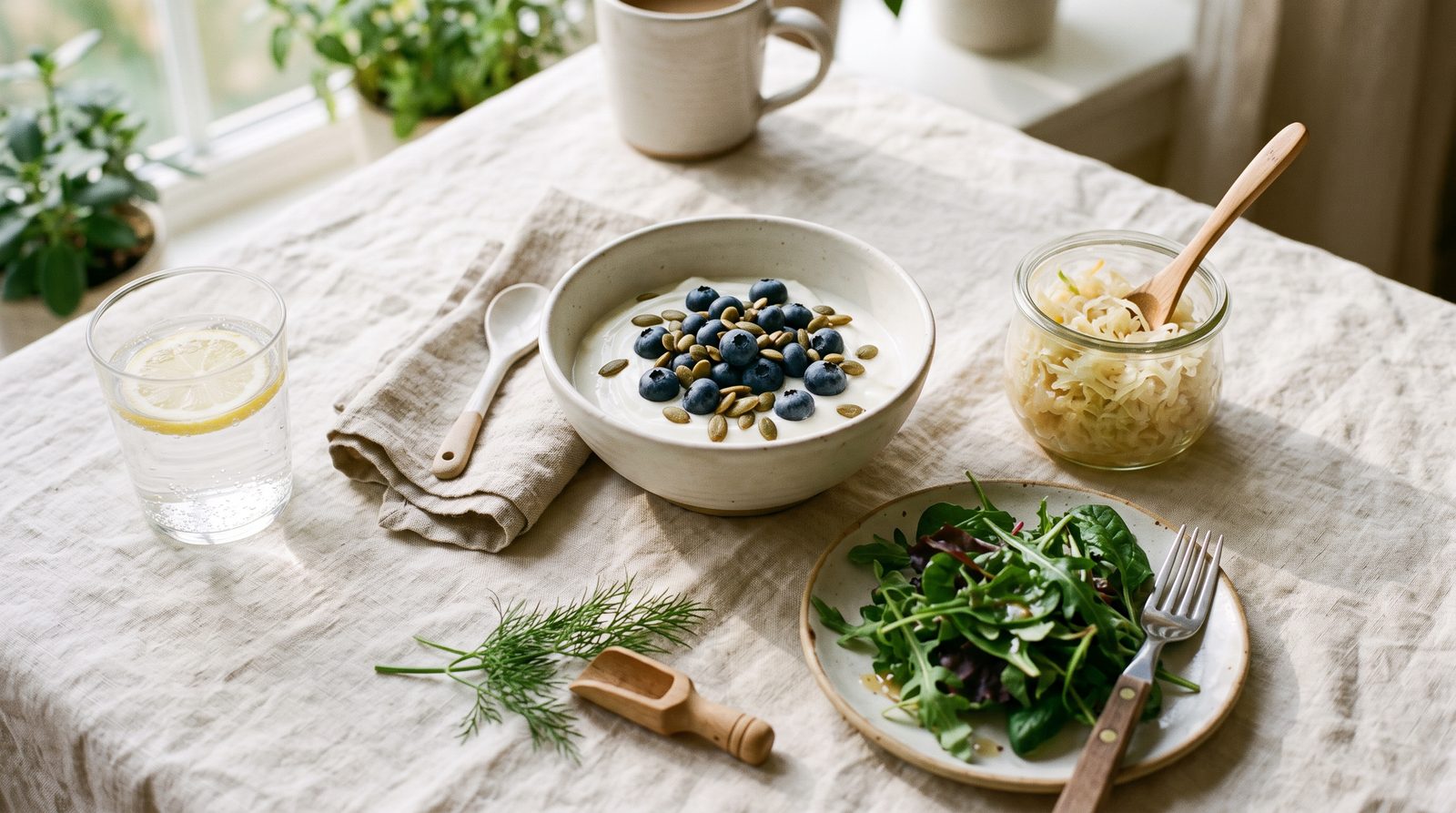
The Gut and Skin Connection: What the Research Actually Says
Your gut and your skin really do talk to each other. Here is an honest, cited look at what the gut skin axis means, where the evidence for probiotics and diet is decent, and where the internet has run far ahead of the science.
Berberine: What the Research Really Says
Berberine gets sold as nature's answer to weight loss drugs. The trials tell a smaller, more specific story. Here is the honest version for women: what it actually does for blood sugar, what it does not do for weight, what it may do for PCOS, and the safety questions that are still open.
Collagen: Hype vs. Evidence, and What the Trials Actually Found
Collagen powder is in everyone's coffee. Here is the honest, cited read on what the research supports for skin, bone, and joints, what it will not do, and why the funding behind the studies matters.
Inositol for PCOS: What the Trials Actually Show
Inositol is one of the most recommended supplements for PCOS. Here is the honest, cited read on what the trials found for cycles, hormones, and fertility, and where the evidence is still shaky.
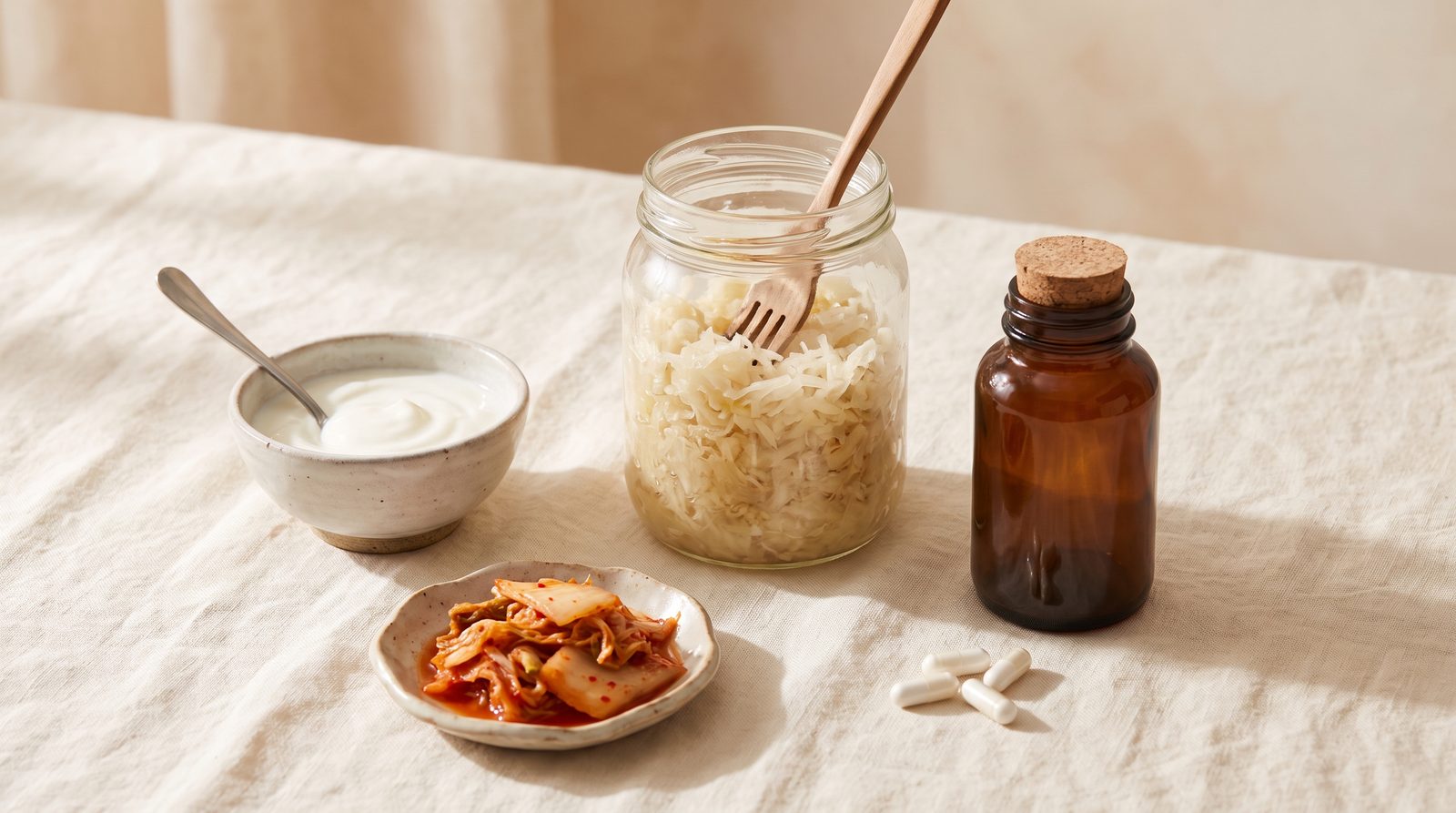
Fermented Foods vs. Probiotic Pills: Which One Actually Helps?
Yogurt and kimchi, or a capsule from the supplement aisle? Here is the honest, cited comparison of what fermented foods and probiotic supplements actually do, and which one is worth your money.
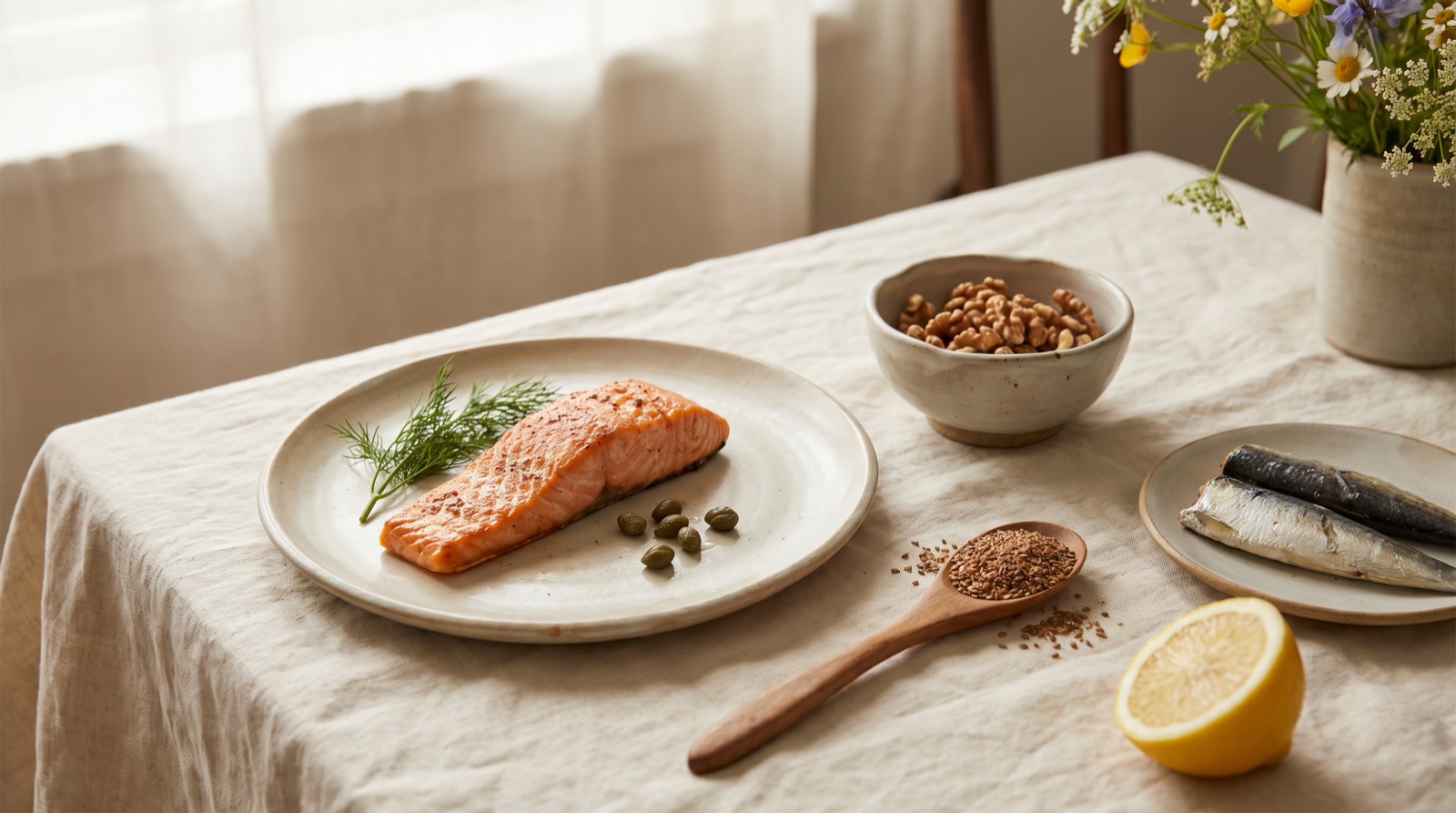
Omega-3s for Women: What They Actually Do (and Where the Evidence Is Strongest)
ALA, EPA, DHA, and what a fish oil capsule can and cannot do for you. An honest, cited guide to omega-3s for women, from pregnancy to period pain to your heart.
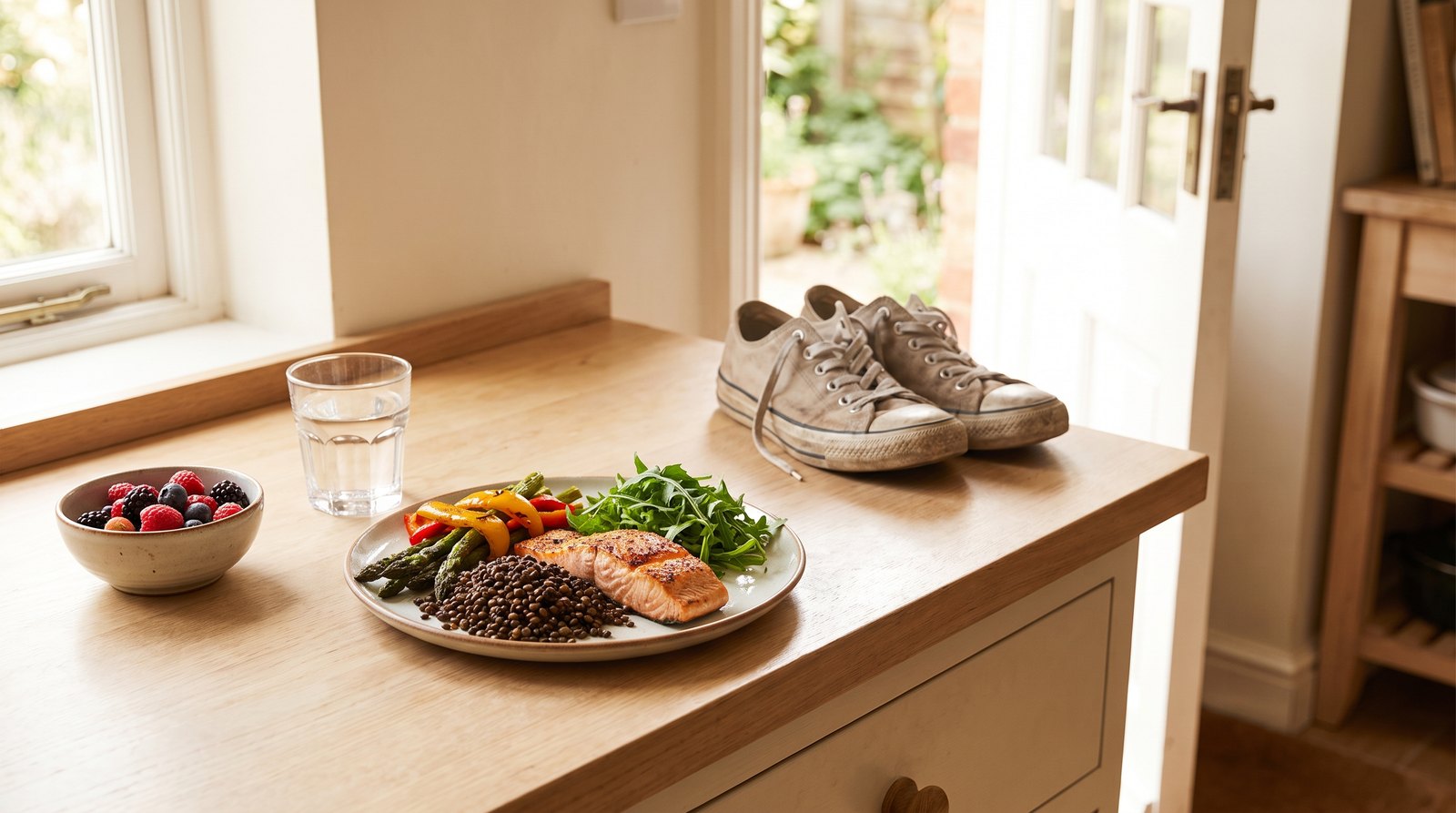
Insulin Resistance Explained, Without the Fear
Insulin resistance gets talked about like a diagnosis and sold like a crisis. Here is the calm, cited version for women: what it actually is, why it is so common, what raises your risk, and the changes with real evidence behind them.
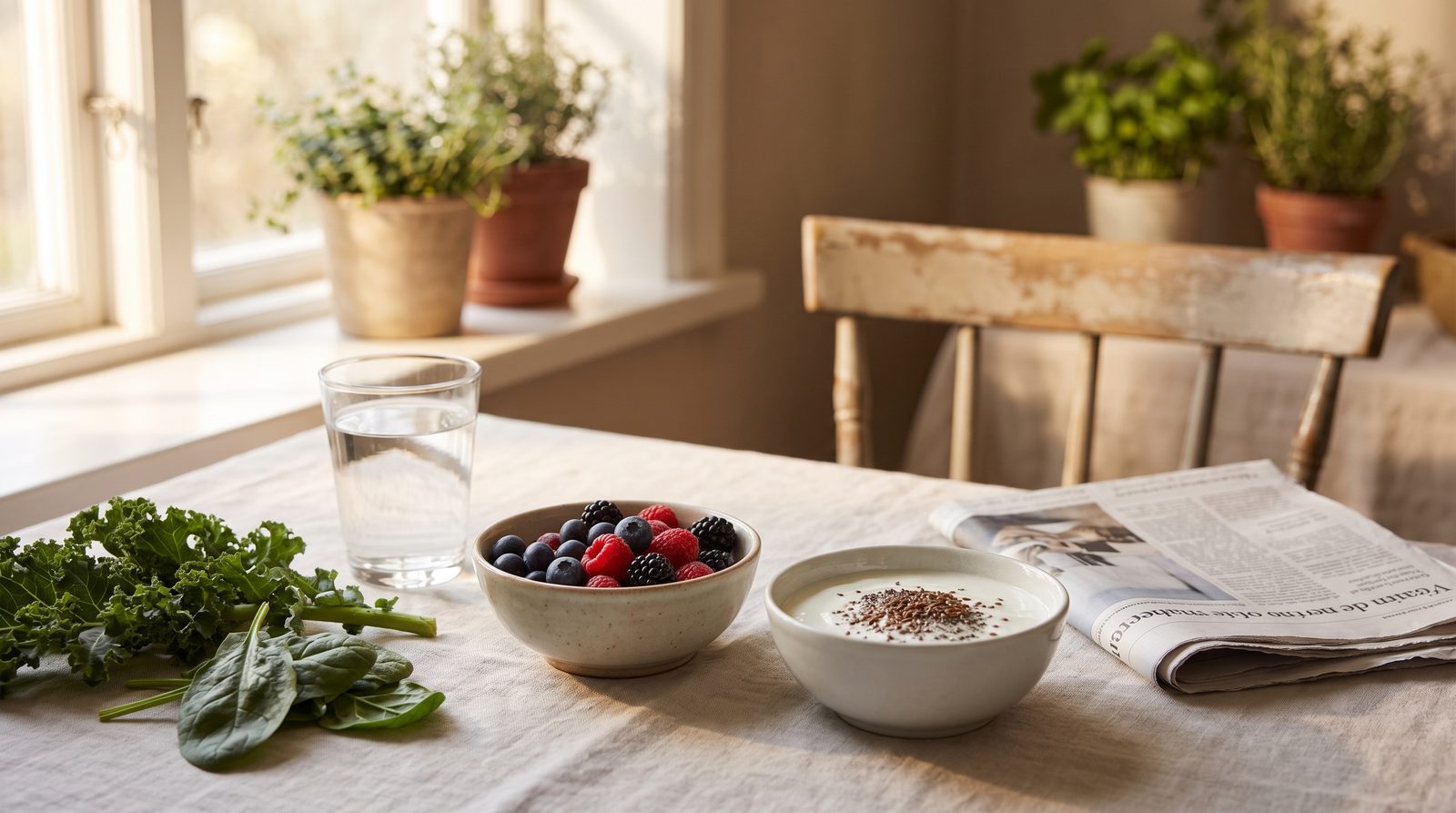
What "Leaky Gut" Really Means (and What the Evidence Actually Supports)
Leaky gut is everywhere online, sold with expensive tests and powders. Here is the honest, cited version: what a leaky gut barrier actually is, what researchers have proven, what they have not, and which fixes hold up.
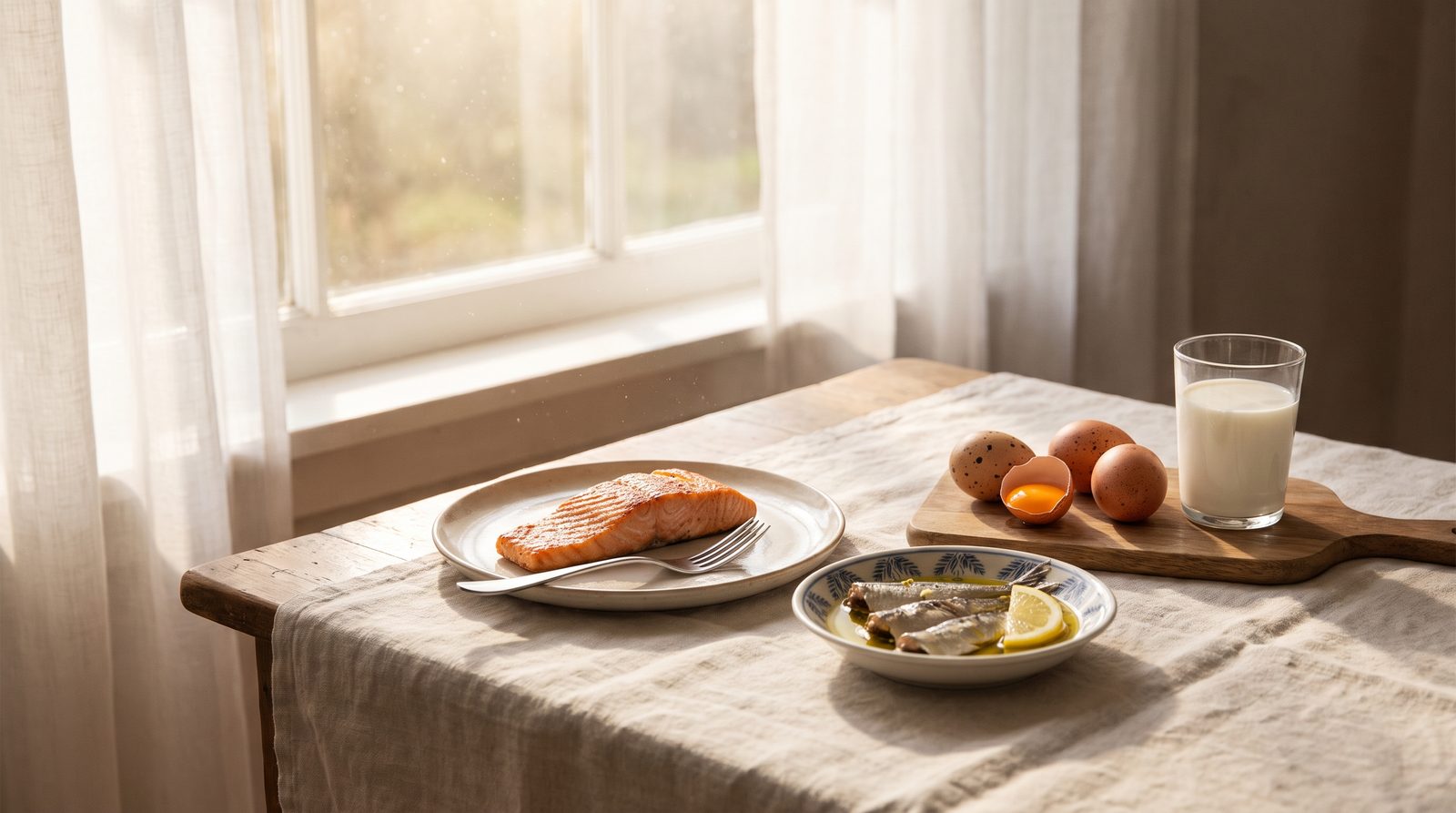
Vitamin D and Women: Why So Many Are Low (and What to Do)
Low vitamin D is common, but the advice around it is full of hype. Here is the honest, cited guide to what vitamin D really does, who is actually low, and how to test and dose sensibly.
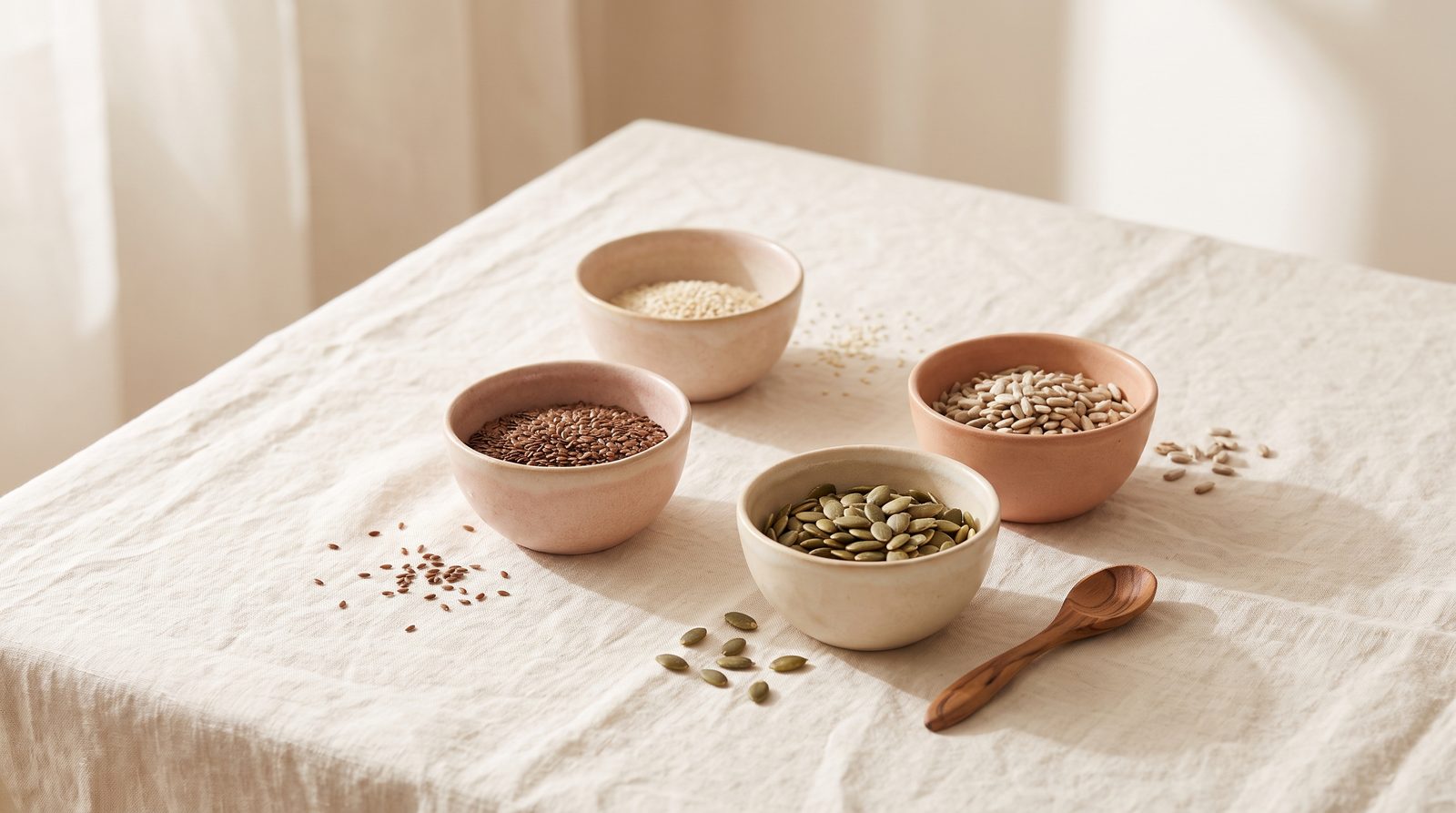
Seed Cycling for Hormones: Does It Actually Work?
Seed cycling is all over social media as a natural way to balance your hormones. Here is the honest, cited look at what the science really shows, and why the seeds are worth eating either way.
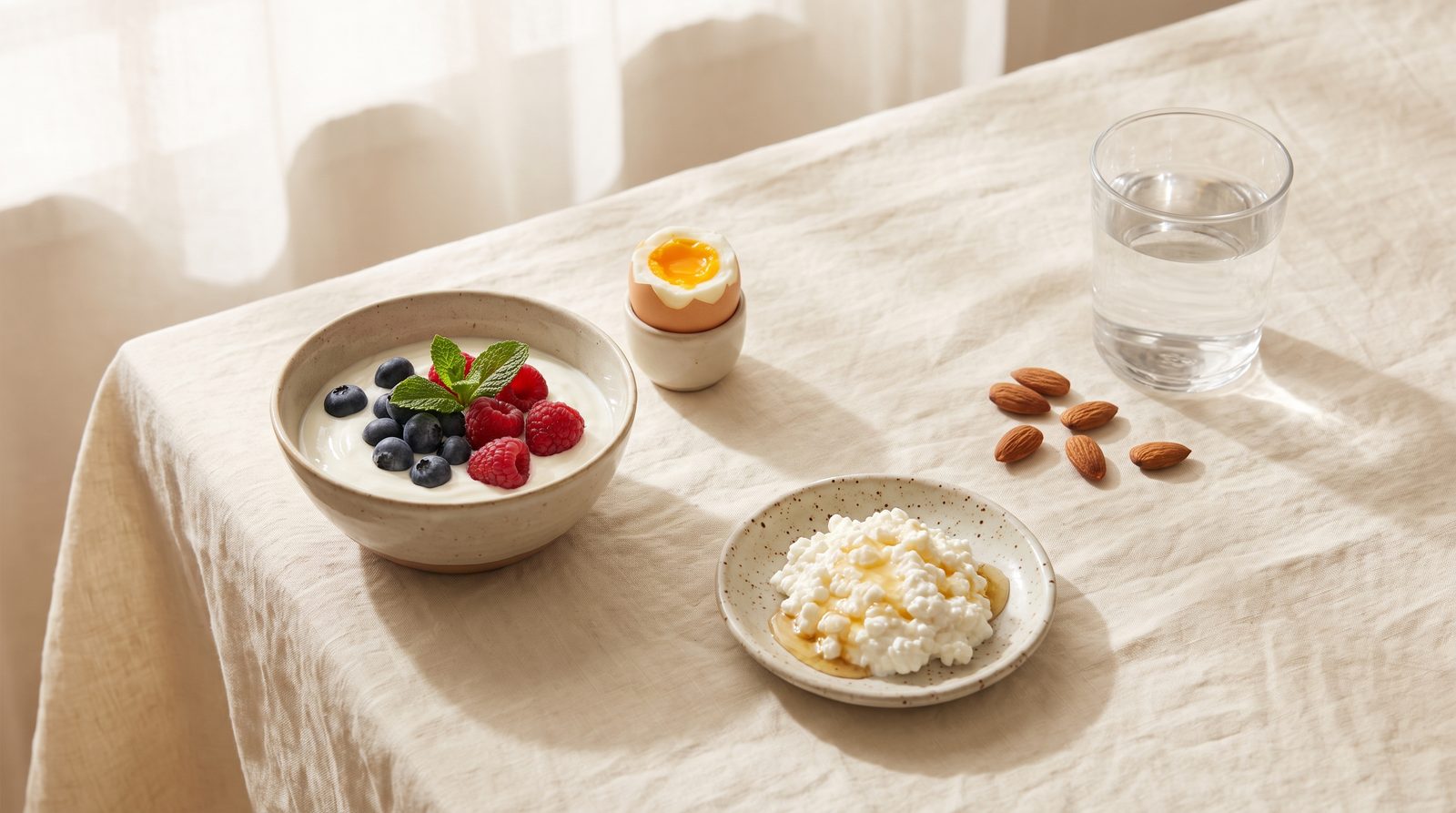
Eating Well on GLP-1 Medications: Protect Your Muscle, Ease the Side Effects
GLP-1 medications work, but the weight you lose is not all fat. Here is the honest, cited guide to protecting your muscle and easing nausea while you eat a lot less.
Your Thyroid and Your Metabolism: What Every Woman Should Know
Thyroid problems are far more common in women, and the symptoms are easy to miss. Here is plain-English thyroid 101, the nutrients that actually matter, and when to ask for a test.
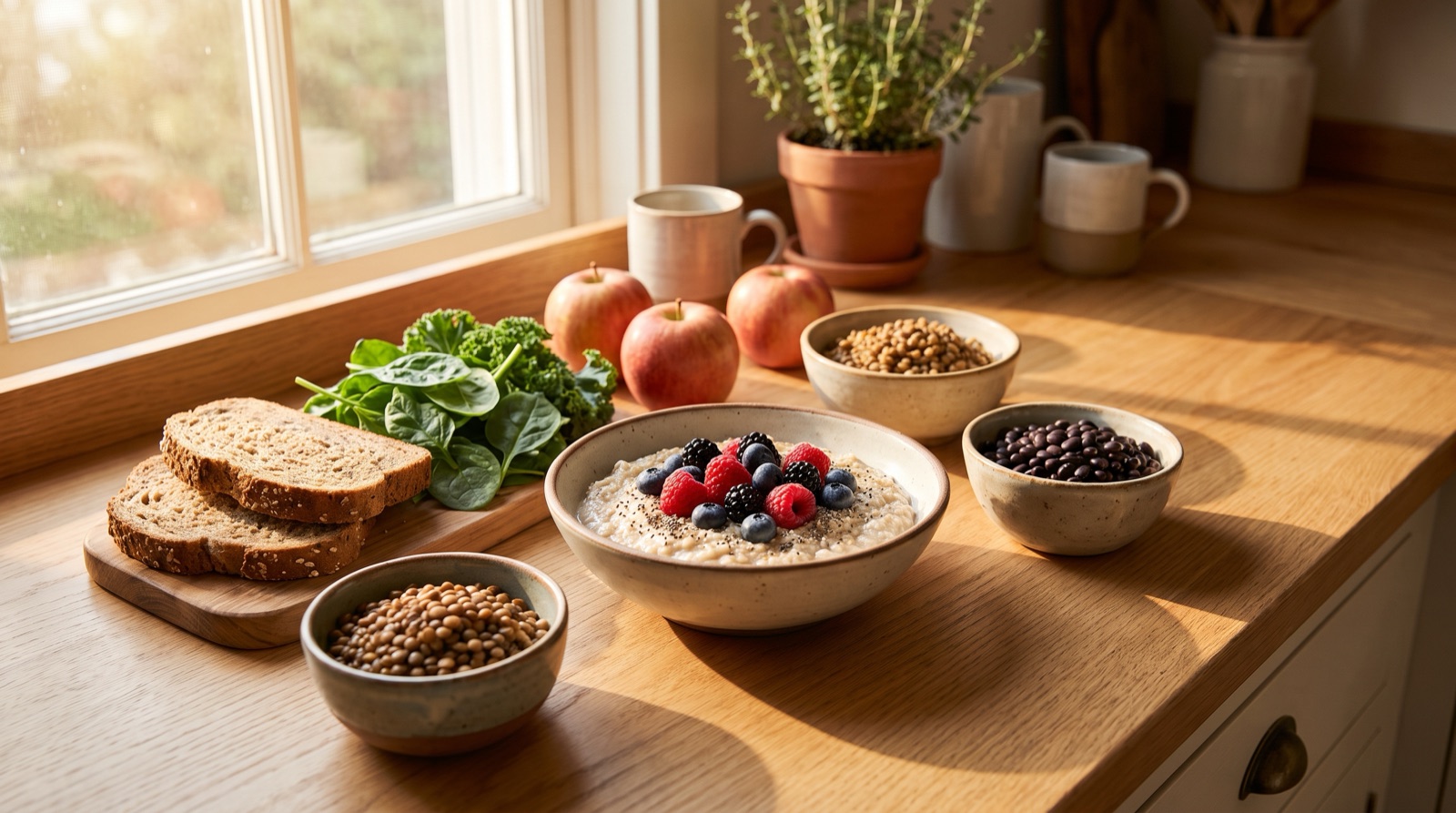
Fiber 101 for Women: How Much You Really Need (and Easy Ways to Get It)
Fiber is having a moment, and most of us still fall short. Here is the simple, science-backed guide to how much fiber women need, the two types that matter, and easy ways to get more without the bloat.
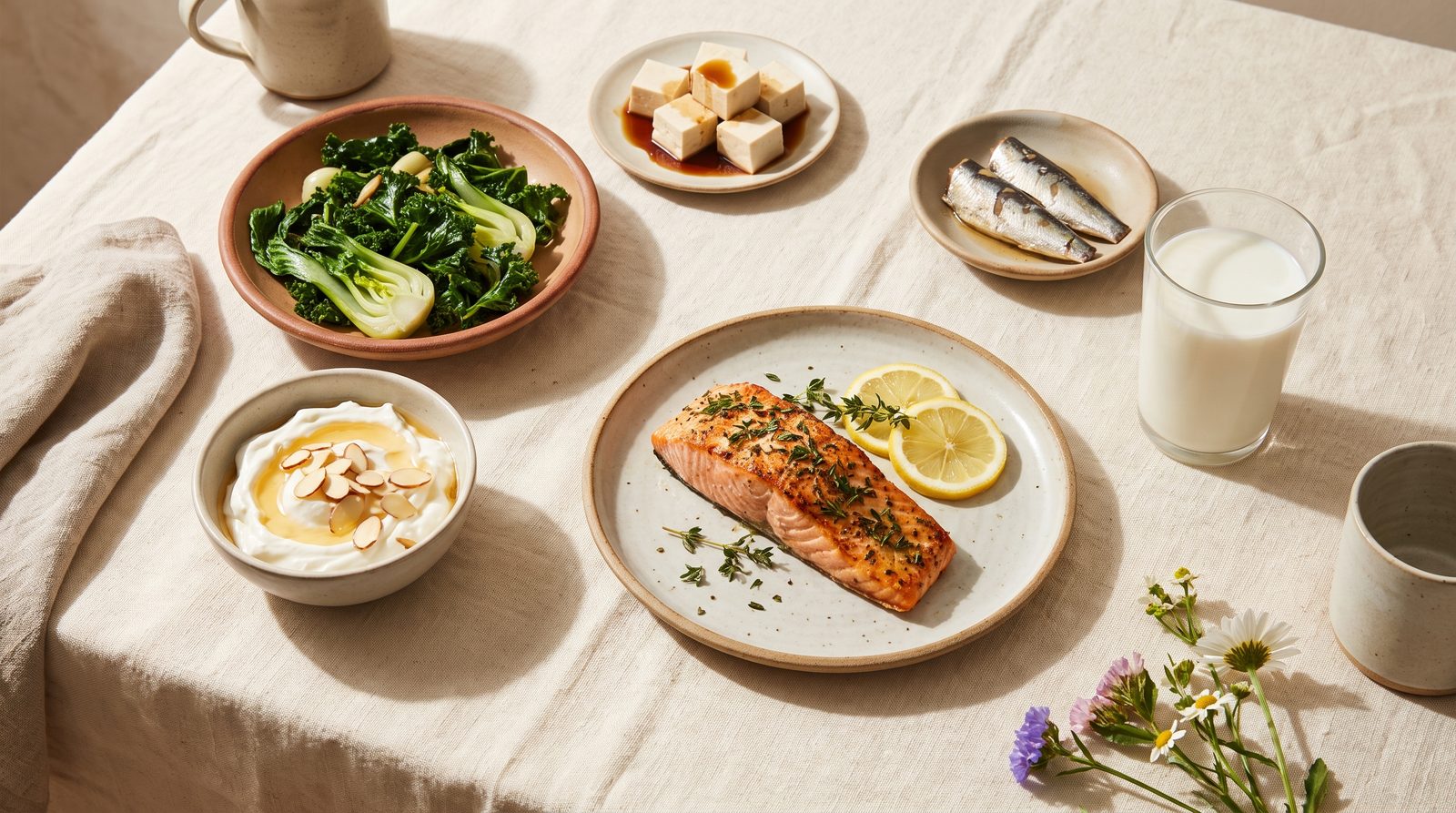
What to Eat in Menopause to Protect Your Bones
Bone loss speeds up after menopause, but food and movement give you real leverage. Here is the honest, cited guide to protein, calcium, vitamin D, and the exercise that actually builds bone.
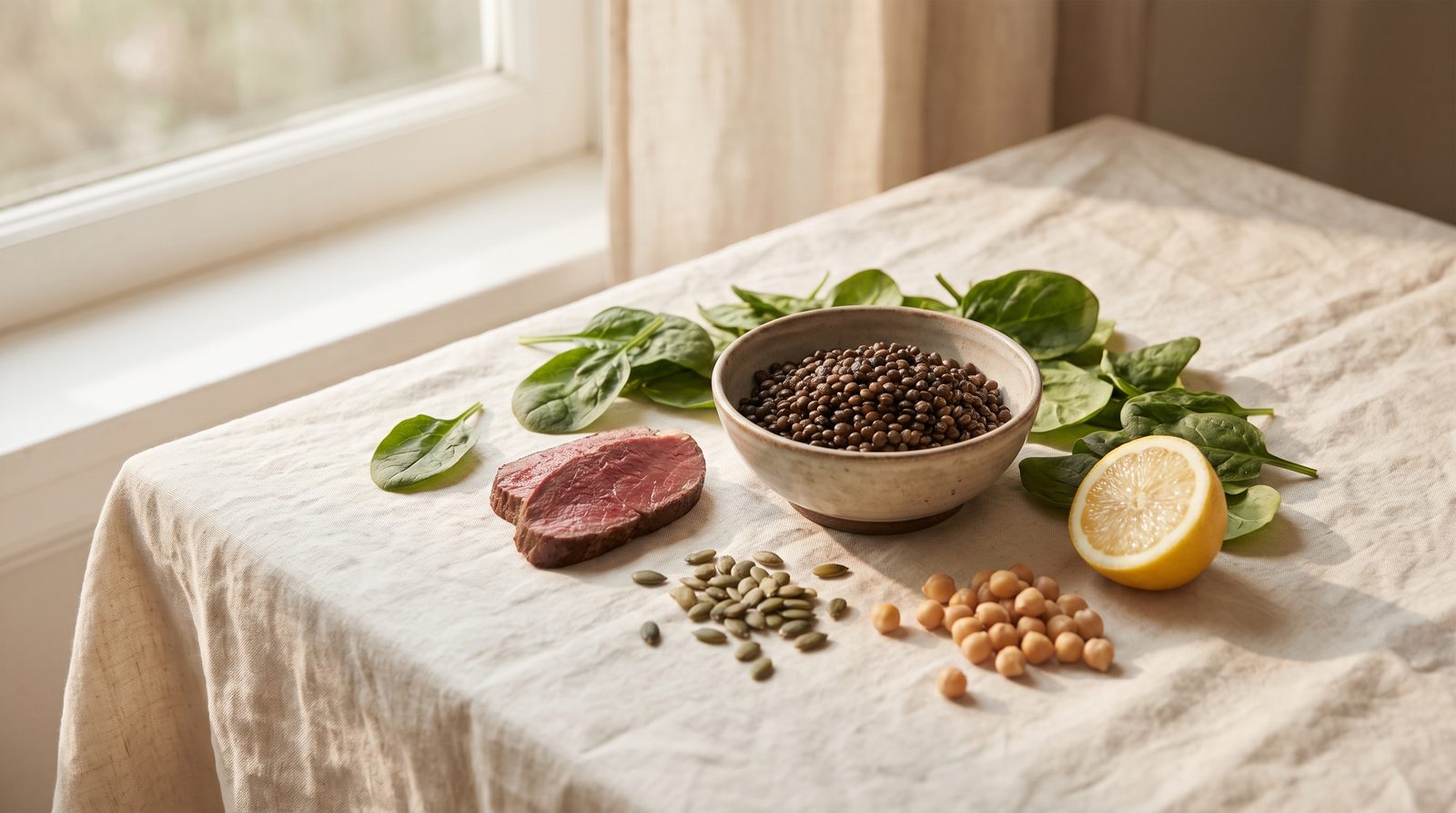
Low Iron in Women: Signs You're Running on Empty
Low iron is one of the most common and most missed reasons women feel wiped out. Here is the honest, cited guide to the signs, who is at risk, and what to do.

Beating the Bloat: The Real Causes and What Actually Helps
Bloating is one of the most common complaints women have, and one of the most marketed to. Here is what actually causes it, what the evidence says helps, and when to see a doctor.

Mid-Afternoon Energy Slumps: Why They Happen and How to Fix Them
The 3 p.m. crash is real biology, not a willpower problem. Here is what causes the afternoon energy slump for women, and the small, science-backed changes that actually help.
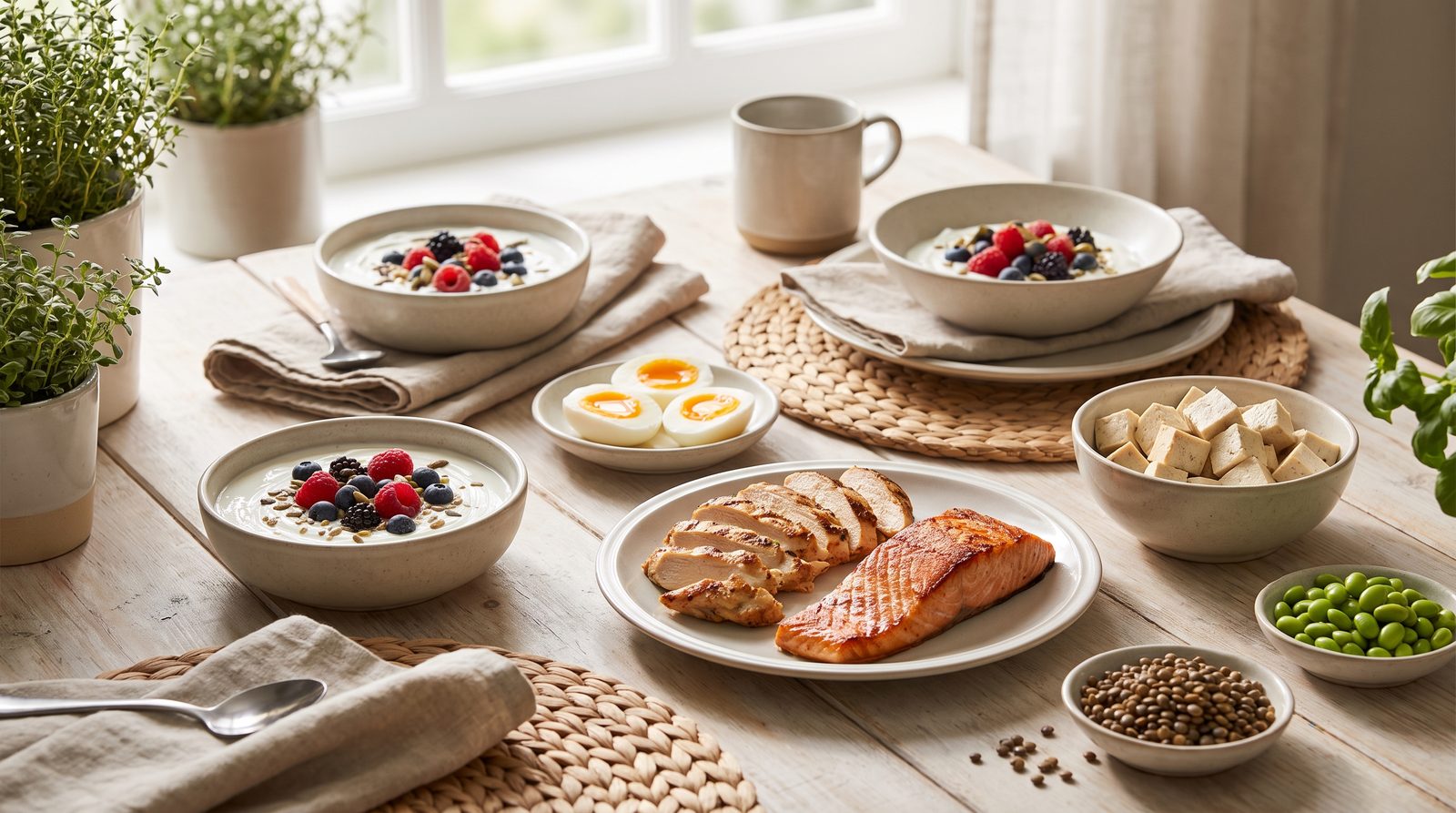
Protein for Women: How Much You Really Need at Every Age
Protein is having a moment, and for good reason. Here is the honest, science-backed guide to how much protein women actually need, why it matters more with age, and easy ways to hit your target.
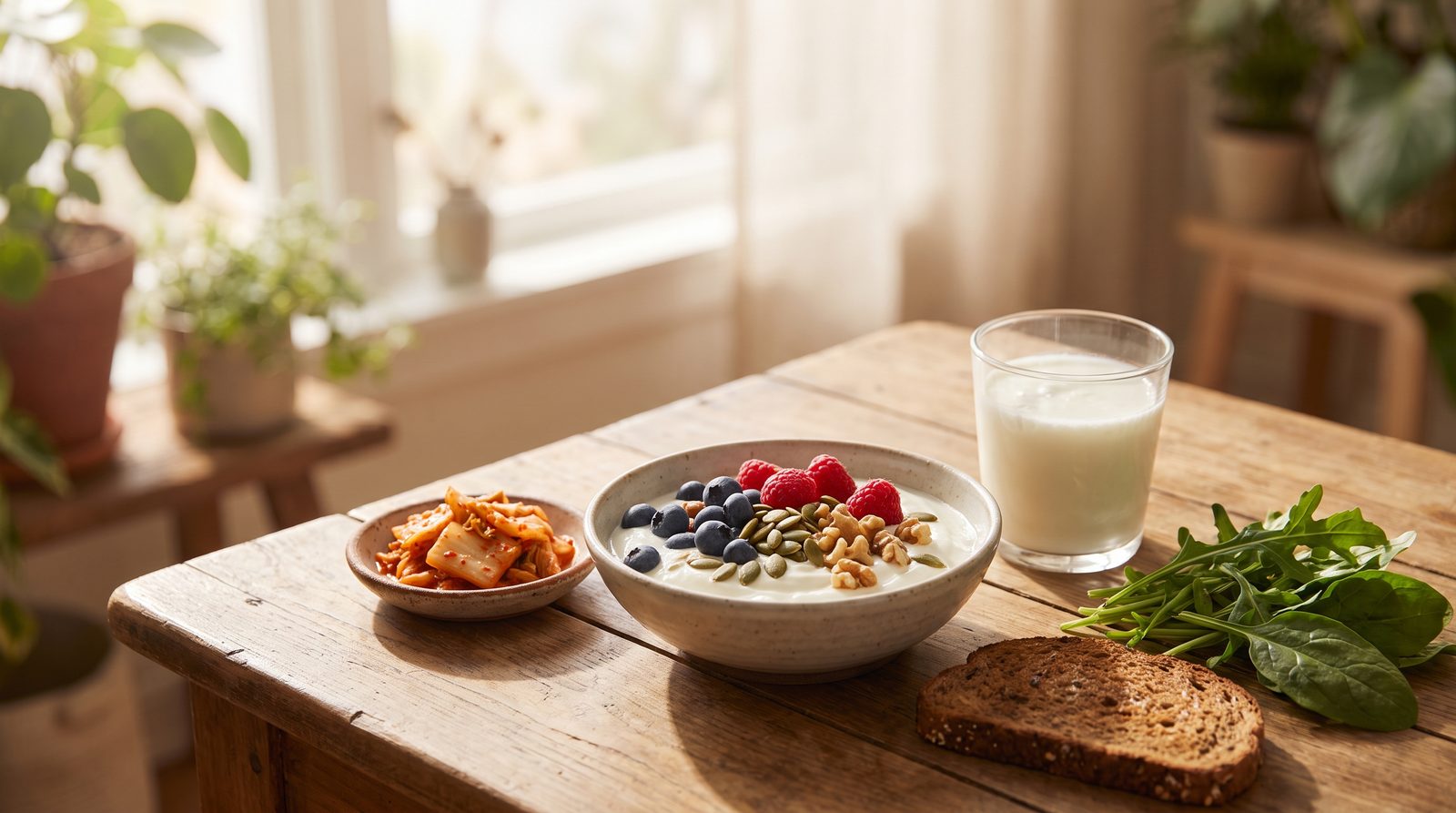
The Gut-Brain Axis: How Your Gut Shapes Your Mood
Your gut and brain are in constant conversation. Here is the honest, science-backed look at how your gut affects your mood and focus, and the food-first habits that actually help.

Cortisol and Women: The Science vs. the "Cortisol Face" Hype
Cortisol is everywhere online, and so is the misinformation. Here is the calm, cited truth about what cortisol does, what the viral claims get wrong, and what actually helps.
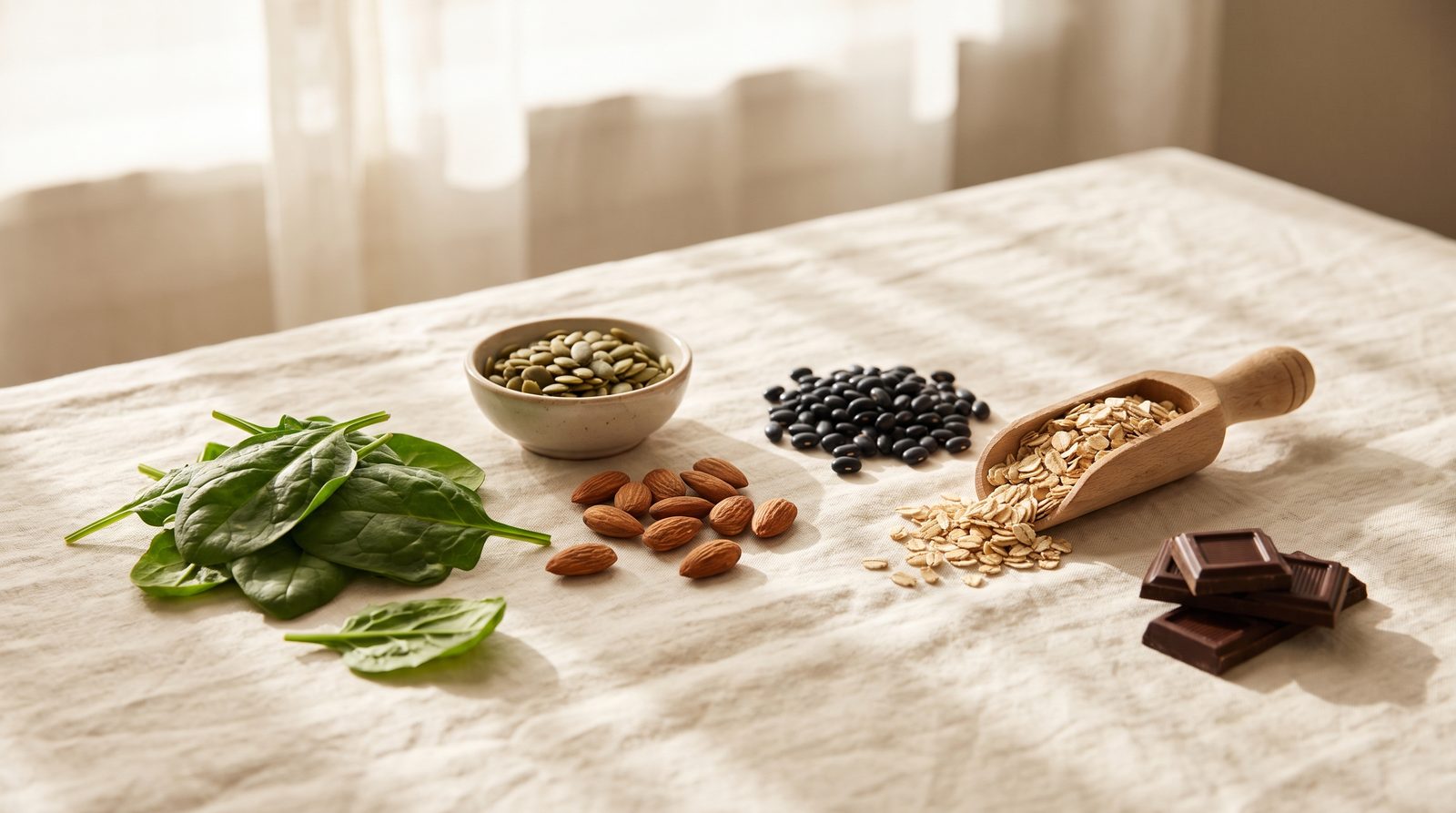
Magnesium for Women: Which Type for Sleep, Stress, and Cramps
Magnesium is everywhere online right now. Here is an honest, science-backed look at what it really does for women, which forms to consider, and food-first sources.
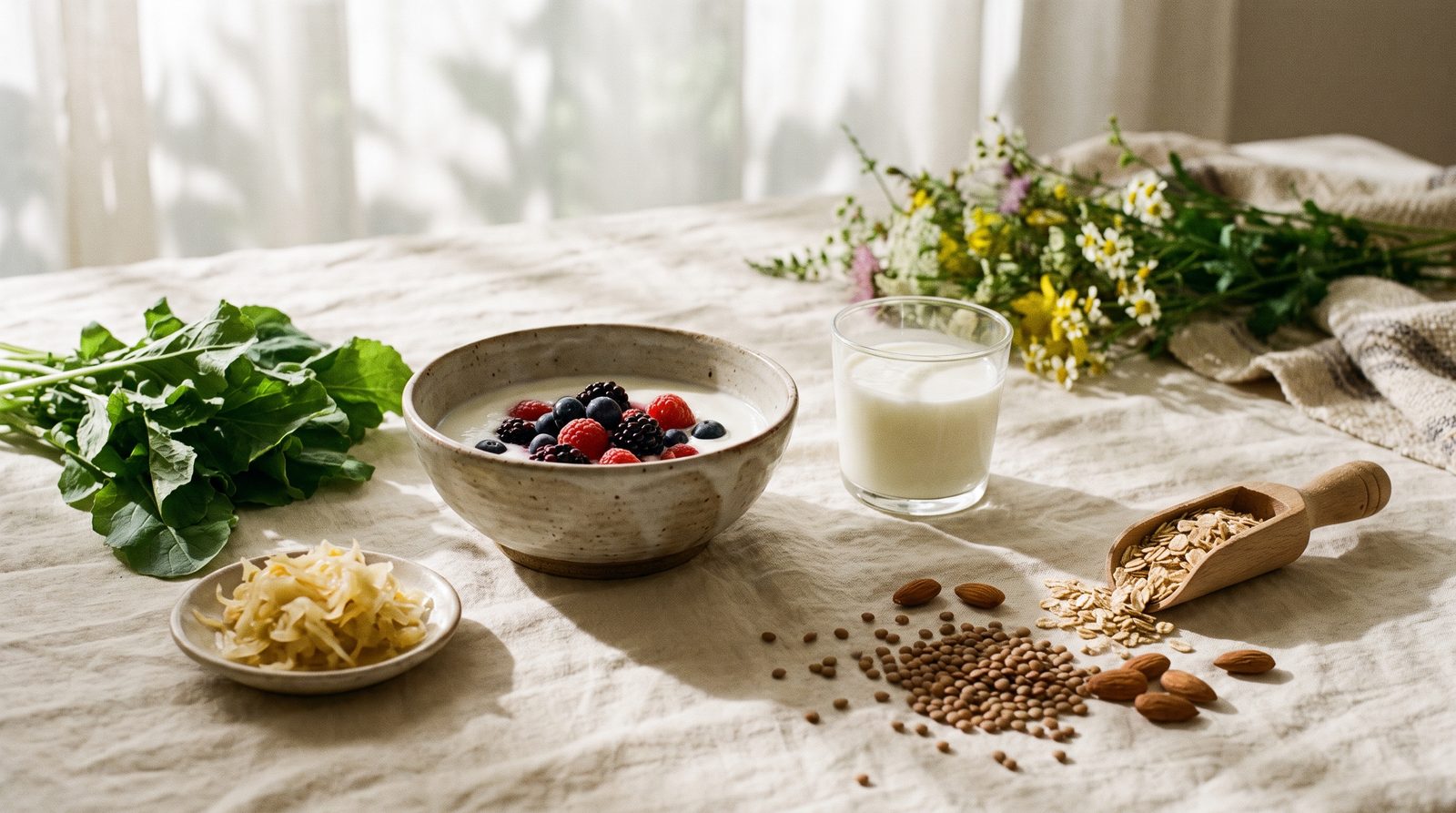
How to Rebuild Your Gut After Antibiotics: A Calm, Food-First Guide
Antibiotics can shake up your gut for weeks. Here is what the research really says about recovery, and gentle, food-first ways to help your microbiome bounce back.
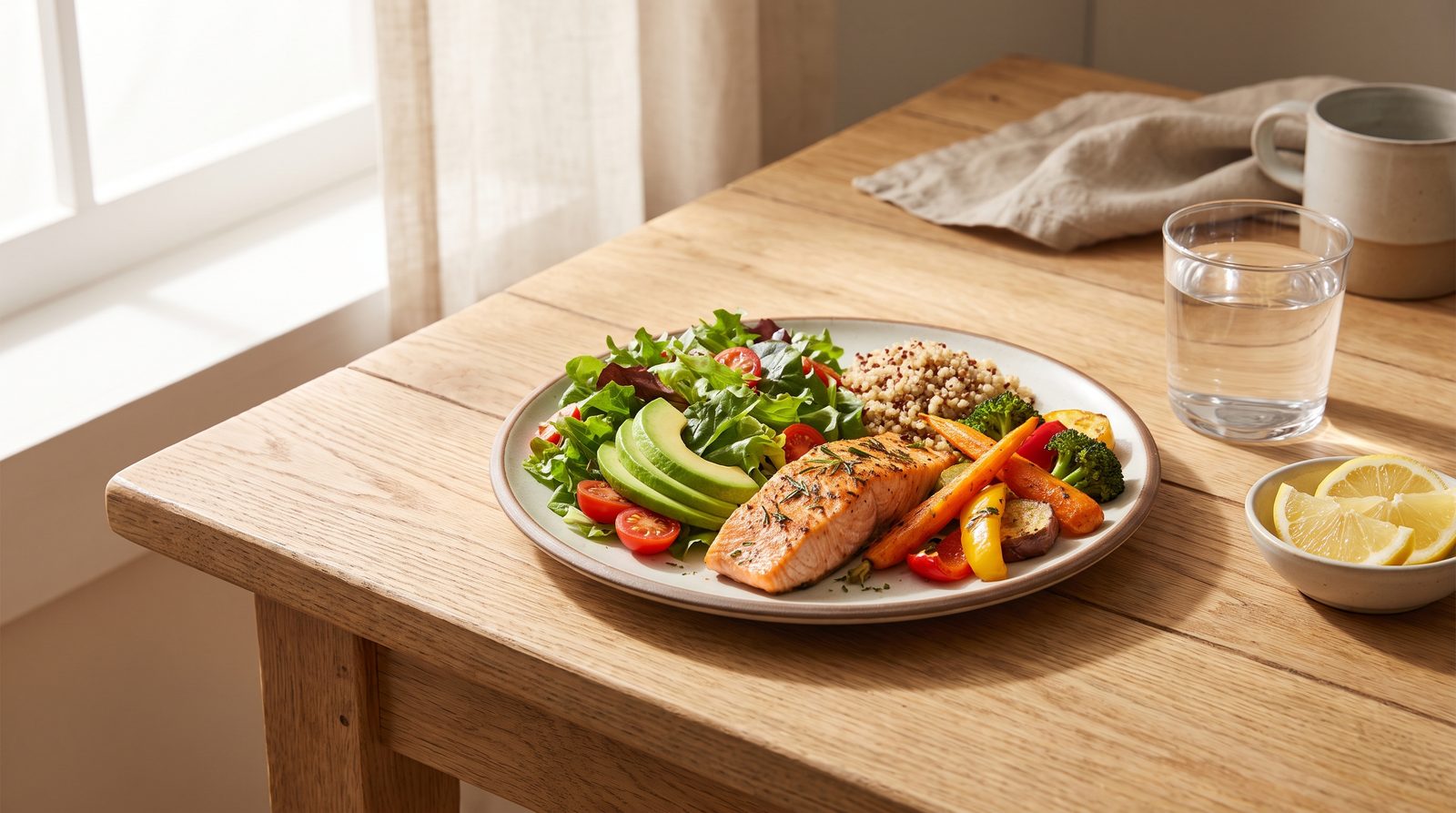
Blood Sugar Balance for Women: A Simple, No-Fear Guide
Steady blood sugar means steadier energy, fewer cravings, and calmer moods. Here is the honest, science-backed way for women to smooth out the spikes, minus the fear.

Perimenopause and Your Metabolism: What Actually Changes (and What Doesn't)
Your metabolism doesn't crash in perimenopause. Here's what really shifts, backed by research, plus gentle, doable steps that help.
PCOS and Your Gut: The Surprising Link, and Gentle Ways to Feel Better
PCOS often starts with insulin resistance, and new research ties it to your gut too. Here are calm, science-backed steps to feel your best.
Do You Actually Need a Probiotic Supplement? An Honest Look
The honest, science-backed answer for women: when a probiotic truly helps, when it's hype, and why food comes first.
Creatine for Women: What It Actually Does (and What It Doesn't)
Creatine isn't just for men. Here's the real science on how it helps women with strength, brain and mood, and the menopause years.
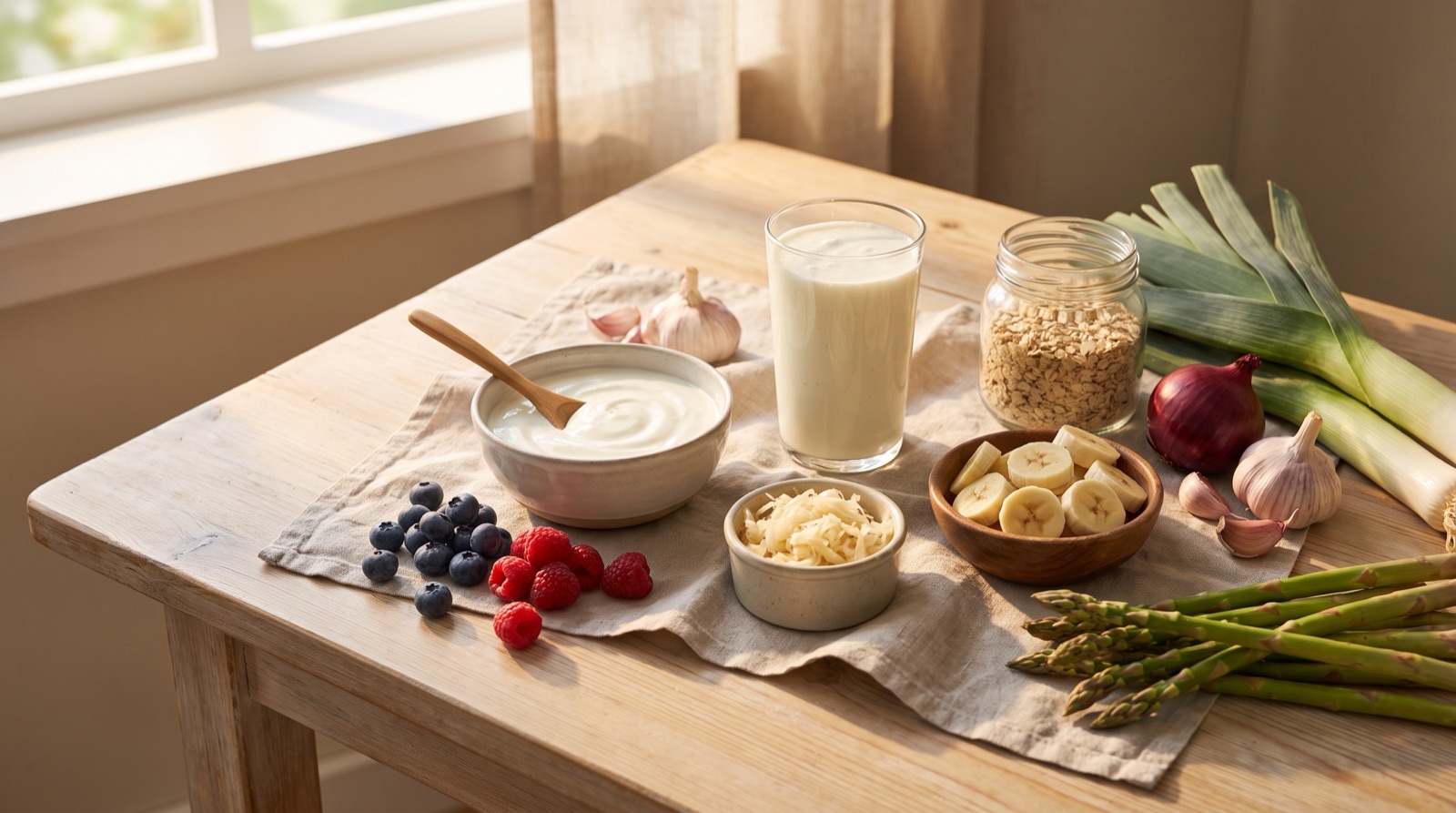
Probiotics, Prebiotics, and Postbiotics: A Plain-English Guide for Women
Probiotics, prebiotics, and postbiotics, minus the hype. What each one is, the best food sources, and what the science actually shows for your gut.
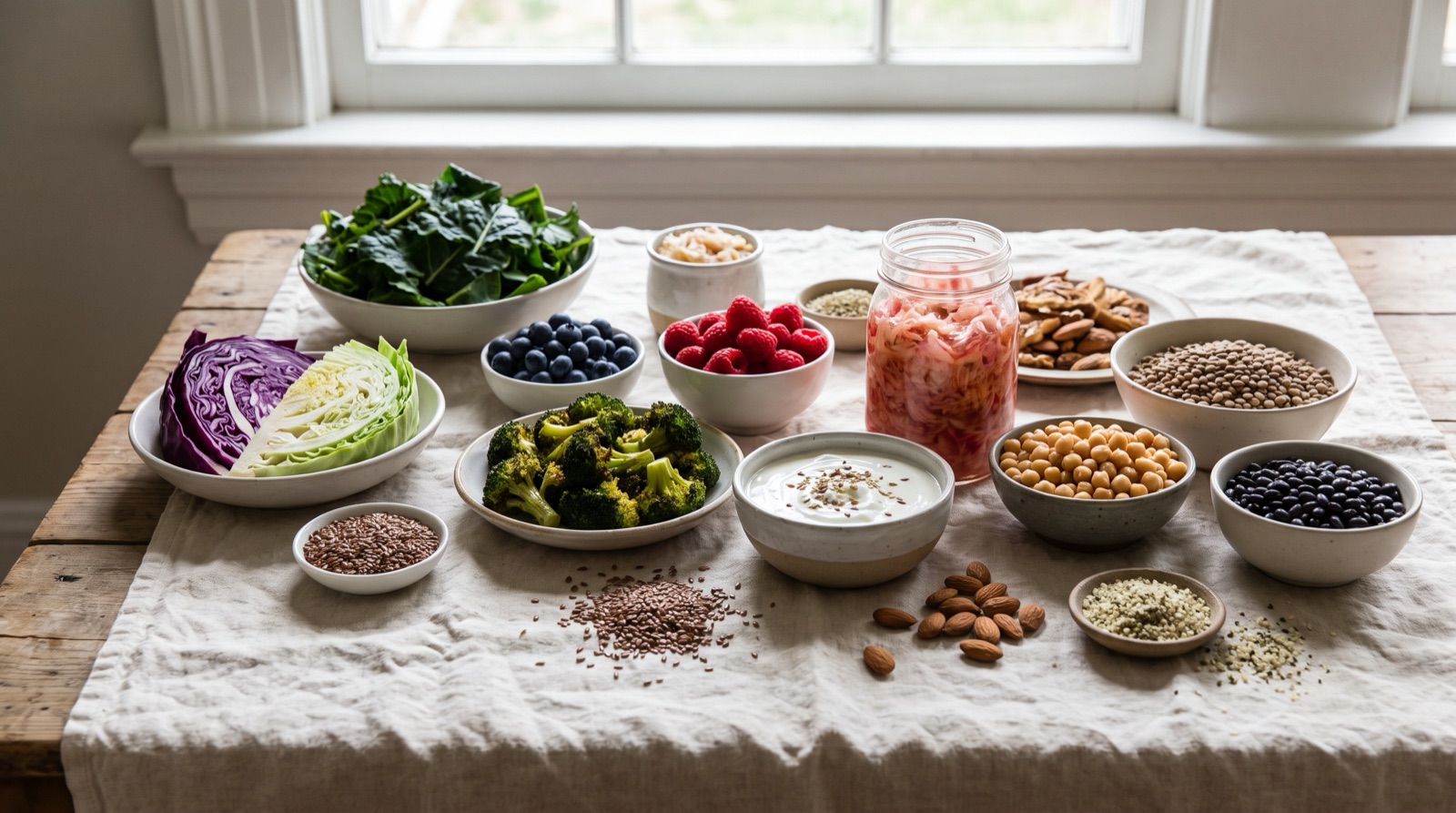
The Estrobolome: How Your Gut Bacteria Help Handle Your Estrogen
Meet the estrobolome, the gut microbes that help decide how much estrogen your body recycles or clears. Here is the honest, science-backed story.