Topic
Hormones
PCOS, perimenopause, menopause, and the everyday science of feeling like yourself.

Food Noise in Women: Why It Gets Louder Before Your Period and in Menopause
Food noise in women is common and often hormonal. Why it rises before your period and in menopause, how sleep and dieting feed it, and what helps.

I Can't Stop Eating Sugar: Why It Hits Women Harder and What Helps
Thinking "I can't stop eating sugar"? For women, cravings track the menstrual cycle, sleep, stress and skipped meals. What the research shows, and what actually helps.

Gluten and Endometriosis: What the Research Actually Shows
Gluten and endometriosis, without the hype. The one study behind the gluten free advice had no control group, and reviewers say to skip it unless you have celiac disease. What the evidence does support for endo gut symptoms.
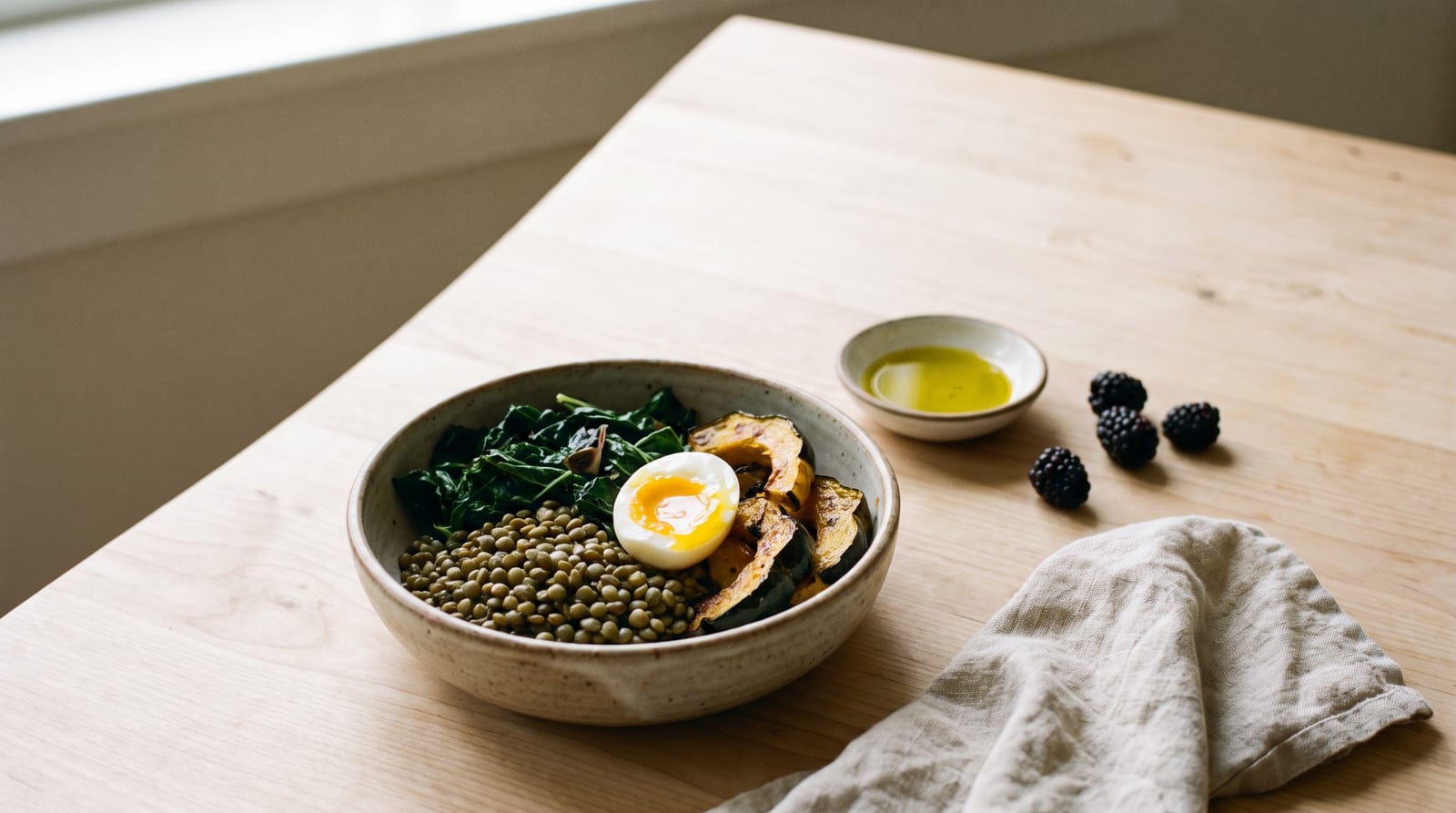
PCOS Weight Loss Diet: What the Trials Actually Compare
Looking for the best PCOS weight loss diet? The trials show no single winner. Here is what low GI, intermittent fasting, keto, and very low calorie diets actually did for women with PCOS.

Best Supplements for PCOS: 5 Options Compared Honestly
The best supplements for PCOS, compared on evidence, what they help, dose, tolerability, and safety. Inositol wins for cycles, vitamin D helps if you are low, and berberine, omega-3, and NAC each have narrower jobs.

Perimenopause Fatigue: Why You Are So Tired and What Actually Helps
Perimenopause fatigue is mostly a sleep problem in disguise. Here is what the trials show actually helps, what does nothing, and the four fixable causes to rule out first.

Perimenopause and Blood Sugar: What Changes and What Helps
Perimenopause and blood sugar are linked: insulin sensitivity tends to slip during the transition. Here is what the research shows about high and low blood sugar, hot flashes, sleep, hormone therapy, and the habits that help.

Menopause and Weight: What Actually Helps
The trials run in women like you show modest, durable levers rather than dramatic fixes. Here is what the evidence supports on prevention, eating patterns, lifting, protein, and hormone therapy.

Why Am I So Hungry at Night?
Evening hunger is not weak willpower. Your body clock raises appetite about 17 percent by 8 p.m., short sleep shifts your hunger hormones, and a light day sends the bill after dinner. Here is what the research says, and what actually helps.

Intermittent Fasting After 40: What the Trials Actually Show
Intermittent fasting is sold to women over 40 as a metabolic switch. The head to head trials say it is a way of eating less, no better and no worse. Here is what that means for your muscle, your hormones, and your bones.

Emotional Eating: What Actually Helps (and What Makes It Worse)
The top trigger is not sadness, it is boredom. Here is what the research says drives emotional eating in women, why adding calorie restriction made it worse in a trial, and the levers that hold up.

Weight Loss for Women Over 50: What Actually Changes
Your metabolism does not crash at 50. The best data says daily energy burn holds steady from 20 to 60. Here is what really changes in midlife, why the standard advice backfires, and the three levers with real evidence behind them.

Perimenopause and Joint Pain: The Estrogen Link Nobody Mentions
More than 70 percent of women get musculoskeletal symptoms in the menopause transition, and most are told it is just aging. Here is what estrogen actually does to your joints, what hormone therapy does and does not fix, and the one thing with strong trial evidence behind it.
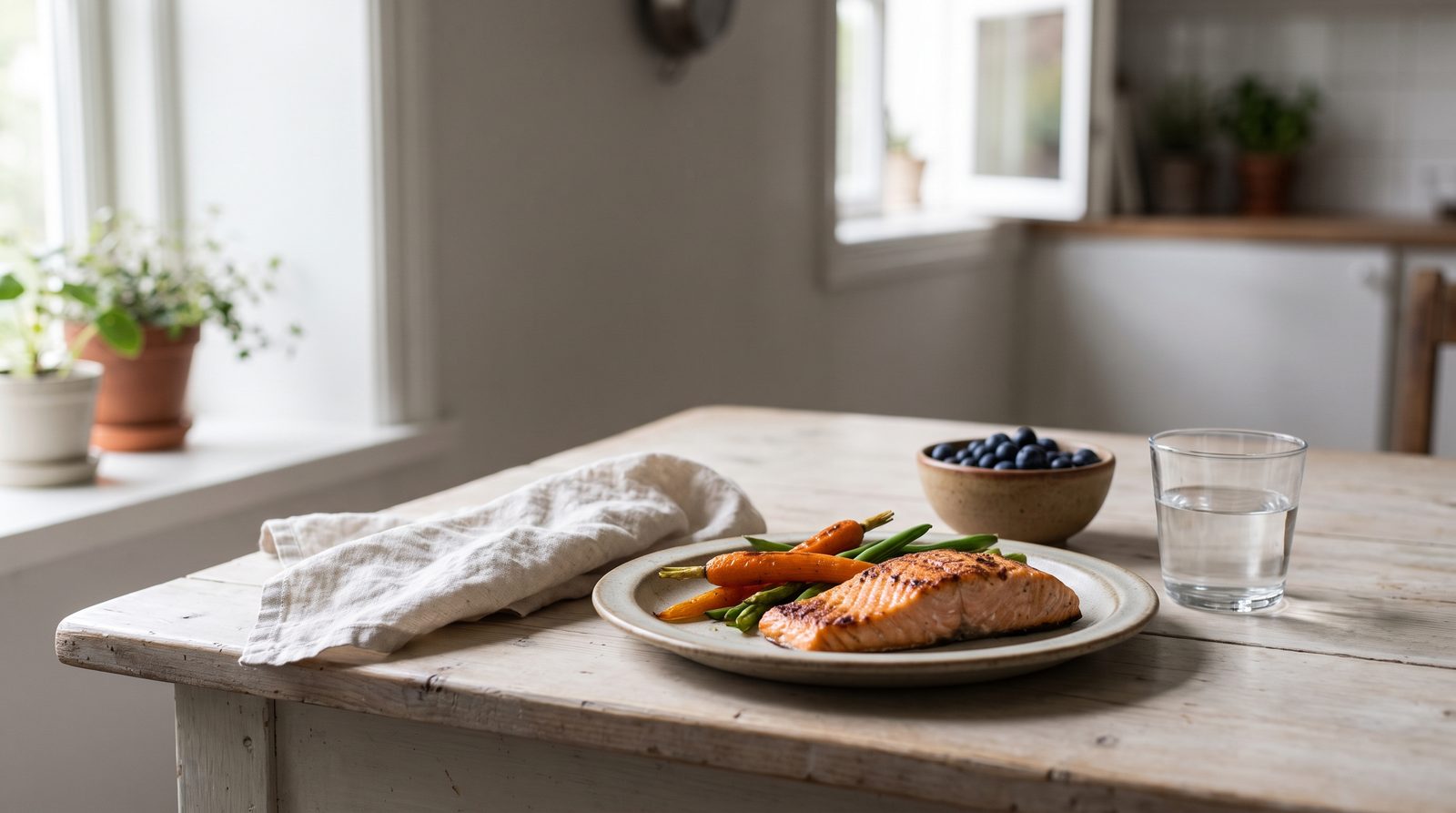
Endometriosis and Diet: What the Evidence Actually Supports
Cut gluten, cut dairy, cut red meat. Endometriosis attracts more food rules than almost any condition. Here is what the research really found, which change has the best symptom evidence, and where the confident advice runs out.
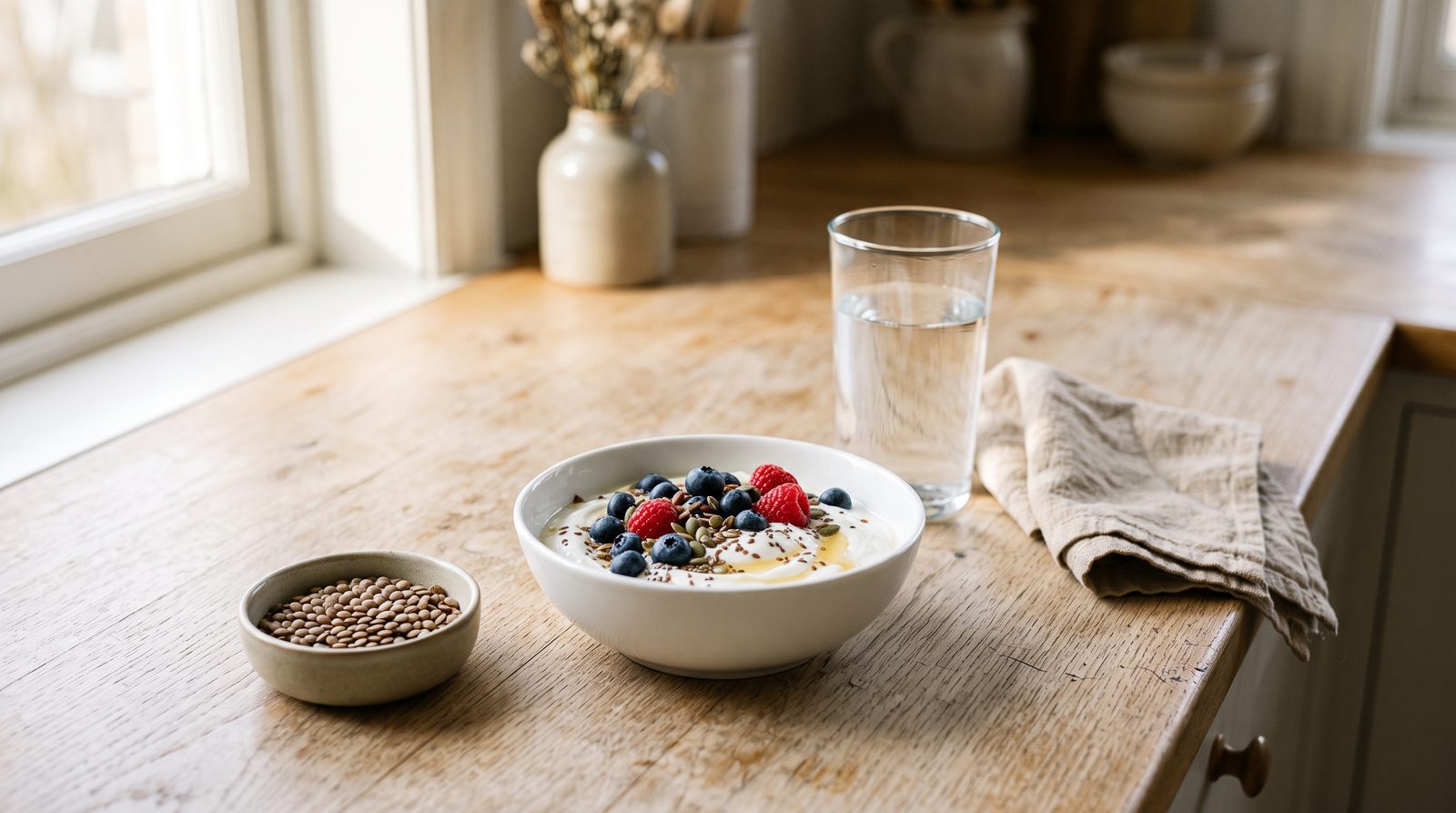
How to Raise GLP-1 Naturally: What Actually Works, and What Is Just Marketing
GLP-1 is the fullness hormone behind the injections everyone is talking about. Your gut already makes it. Here is the cited version of what genuinely nudges it up, what the effect size really is, and where butyrate and allulose fit.
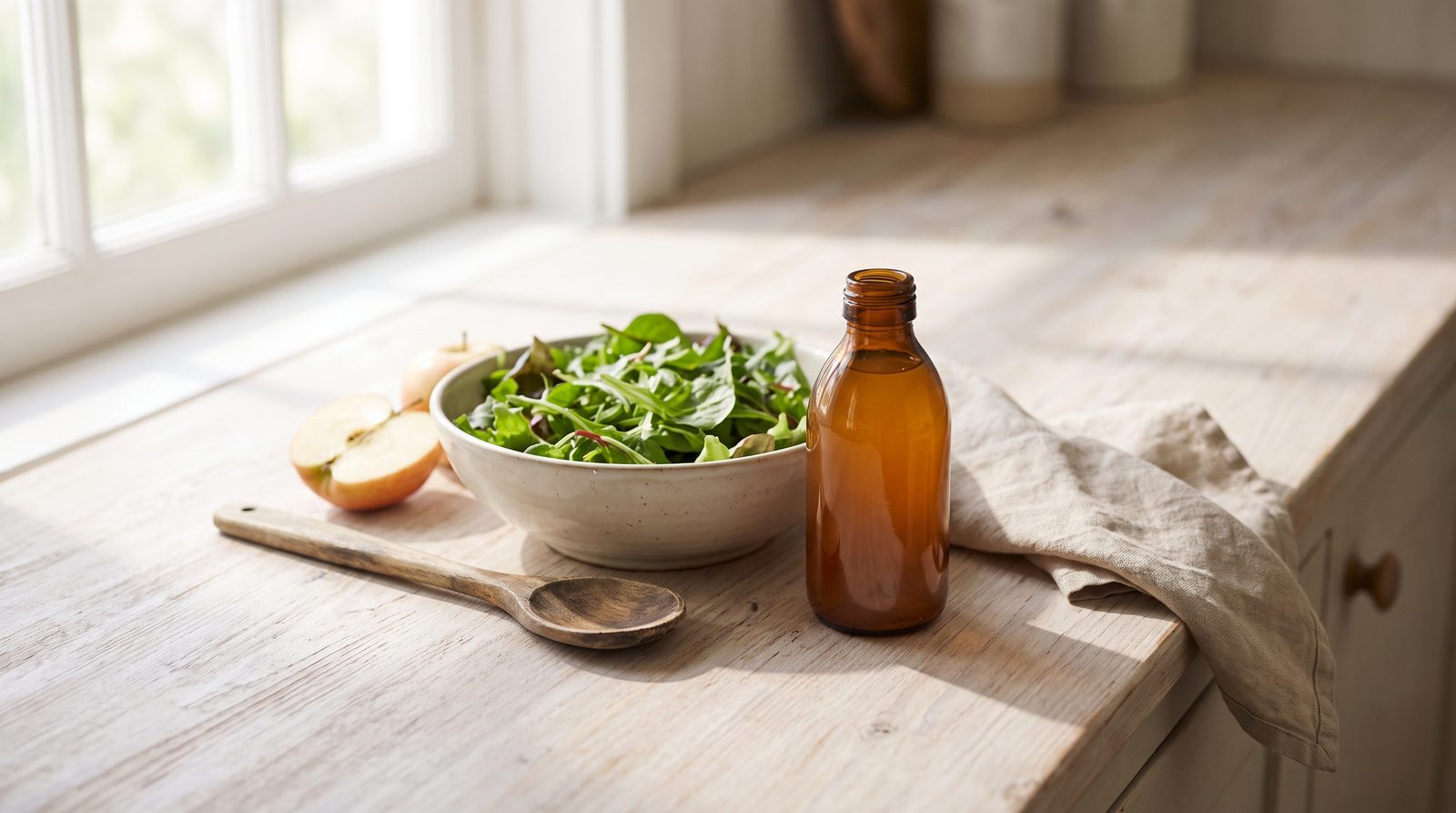
Apple Cider Vinegar and Blood Sugar: What the Research Actually Shows
Apple cider vinegar has been sold as a fix for belly fat, cravings, and blood sugar. Here is the cited version: what it genuinely does after a meal, what the weight loss trials really found, and the two ways it can hurt you.

Sleep, Cortisol, and Midlife Weight: What Actually Changes After 45
Midlife weight gain gets blamed on cortisol, but the research points somewhere less exciting and far more fixable. Here is what actually changes in your body composition, what broken sleep does to appetite, and what helps.

Hot Flashes: What Actually Helps, and What Only Sounds Like It Should
Layer your clothes, avoid spicy food, breathe slowly. Most of the standard hot flash advice has been tested, and a lot of it did not hold up. Here is the honest, cited version of what the research supports and what it does not.
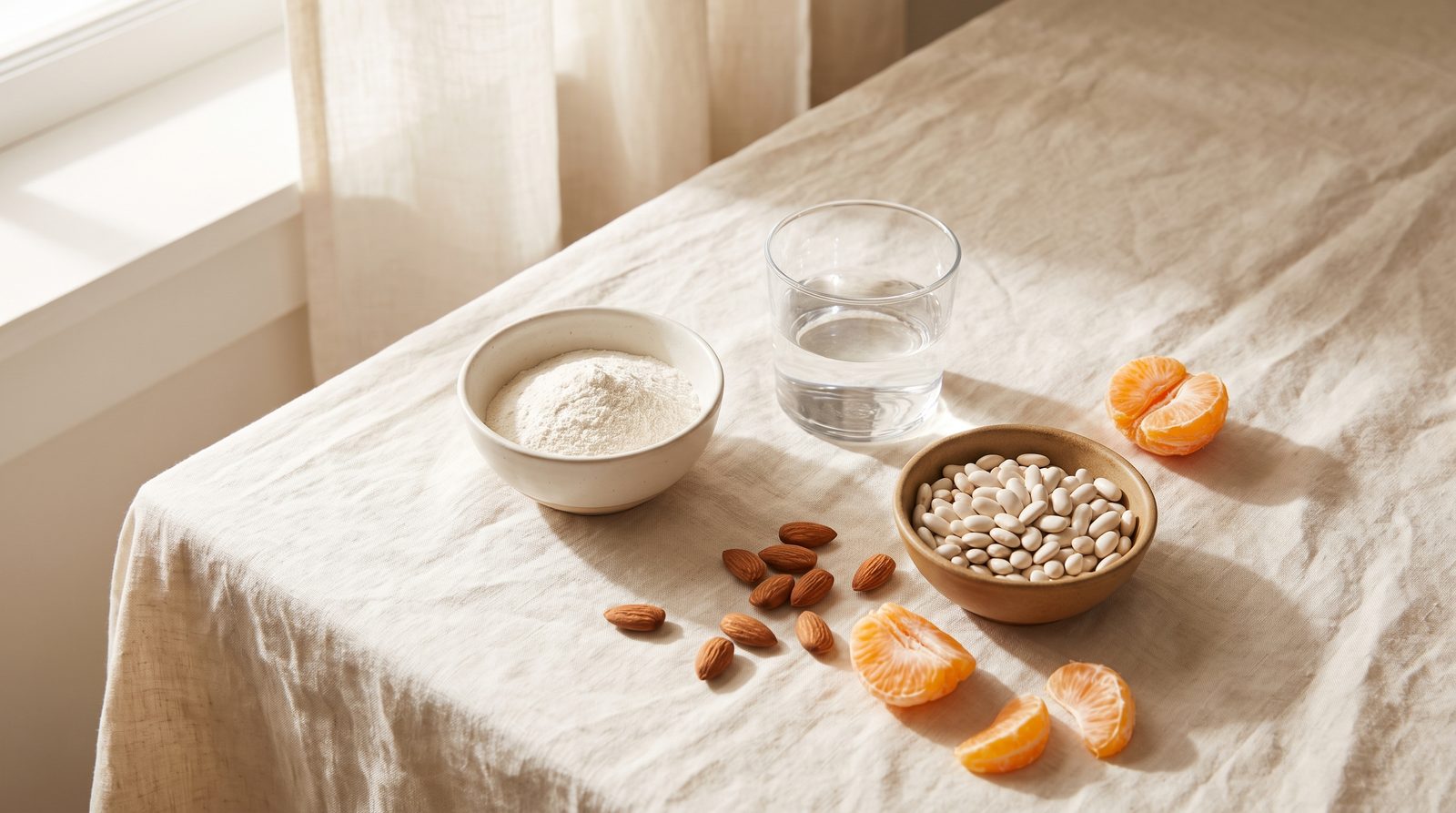
Inositol for PCOS: What the Trials Actually Show
Inositol is one of the most recommended supplements for PCOS. Here is the honest, cited read on what the trials found for cycles, hormones, and fertility, and where the evidence is still shaky.
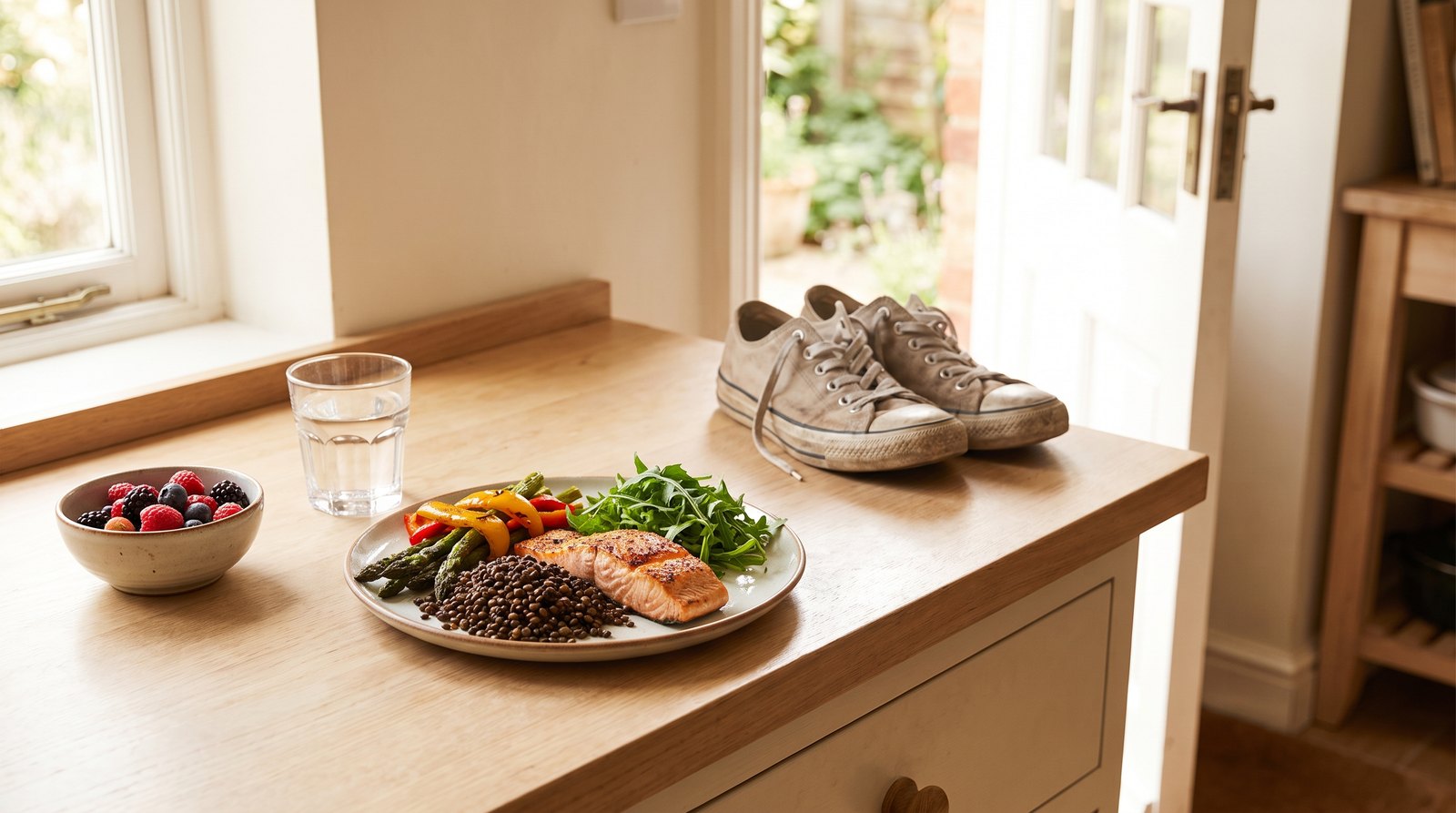
Insulin Resistance Explained, Without the Fear
Insulin resistance gets talked about like a diagnosis and sold like a crisis. Here is the calm, cited version for women: what it actually is, why it is so common, what raises your risk, and the changes with real evidence behind them.
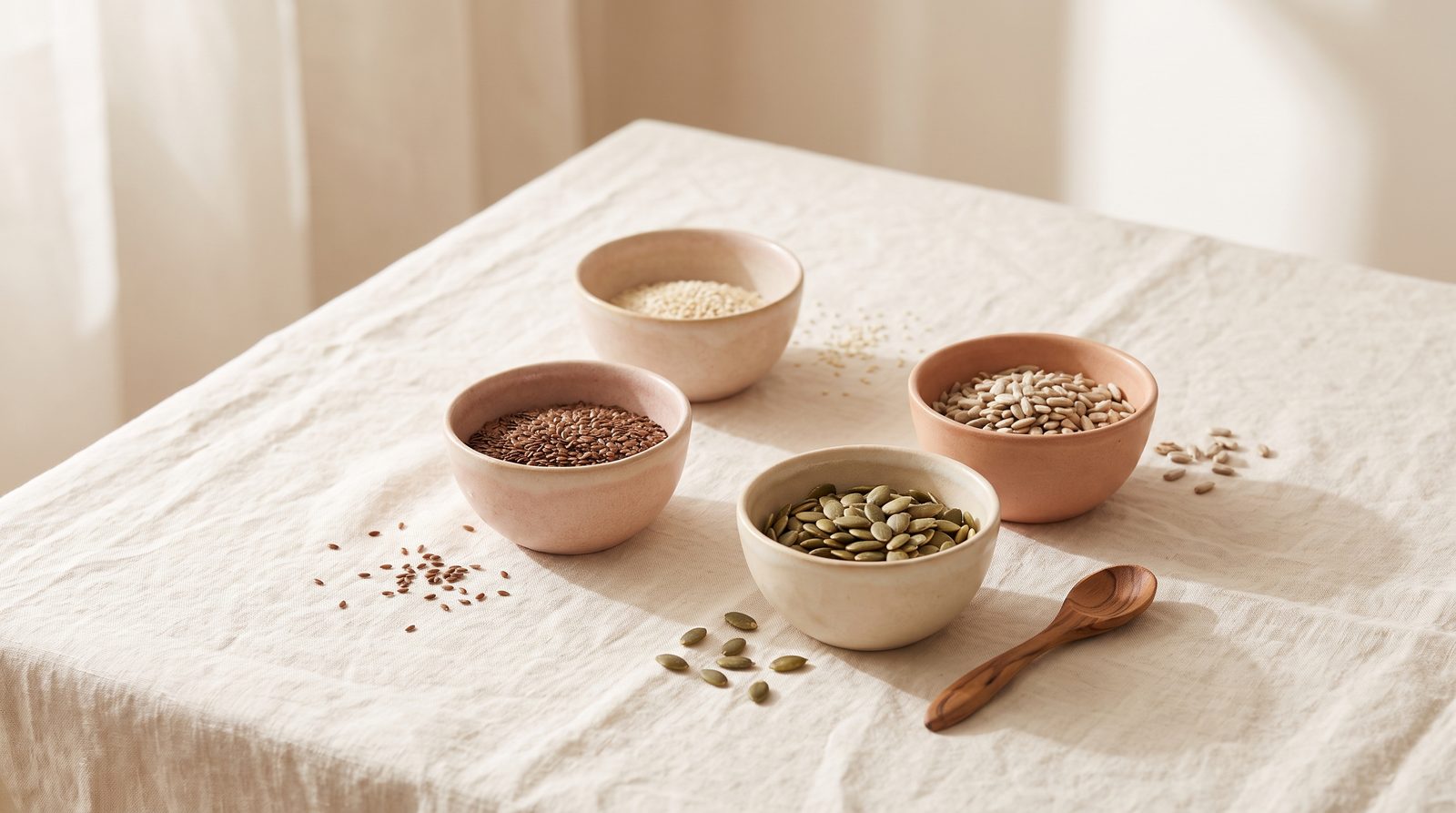
Seed Cycling for Hormones: Does It Actually Work?
Seed cycling is all over social media as a natural way to balance your hormones. Here is the honest, cited look at what the science really shows, and why the seeds are worth eating either way.

Your Thyroid and Your Metabolism: What Every Woman Should Know
Thyroid problems are far more common in women, and the symptoms are easy to miss. Here is plain-English thyroid 101, the nutrients that actually matter, and when to ask for a test.
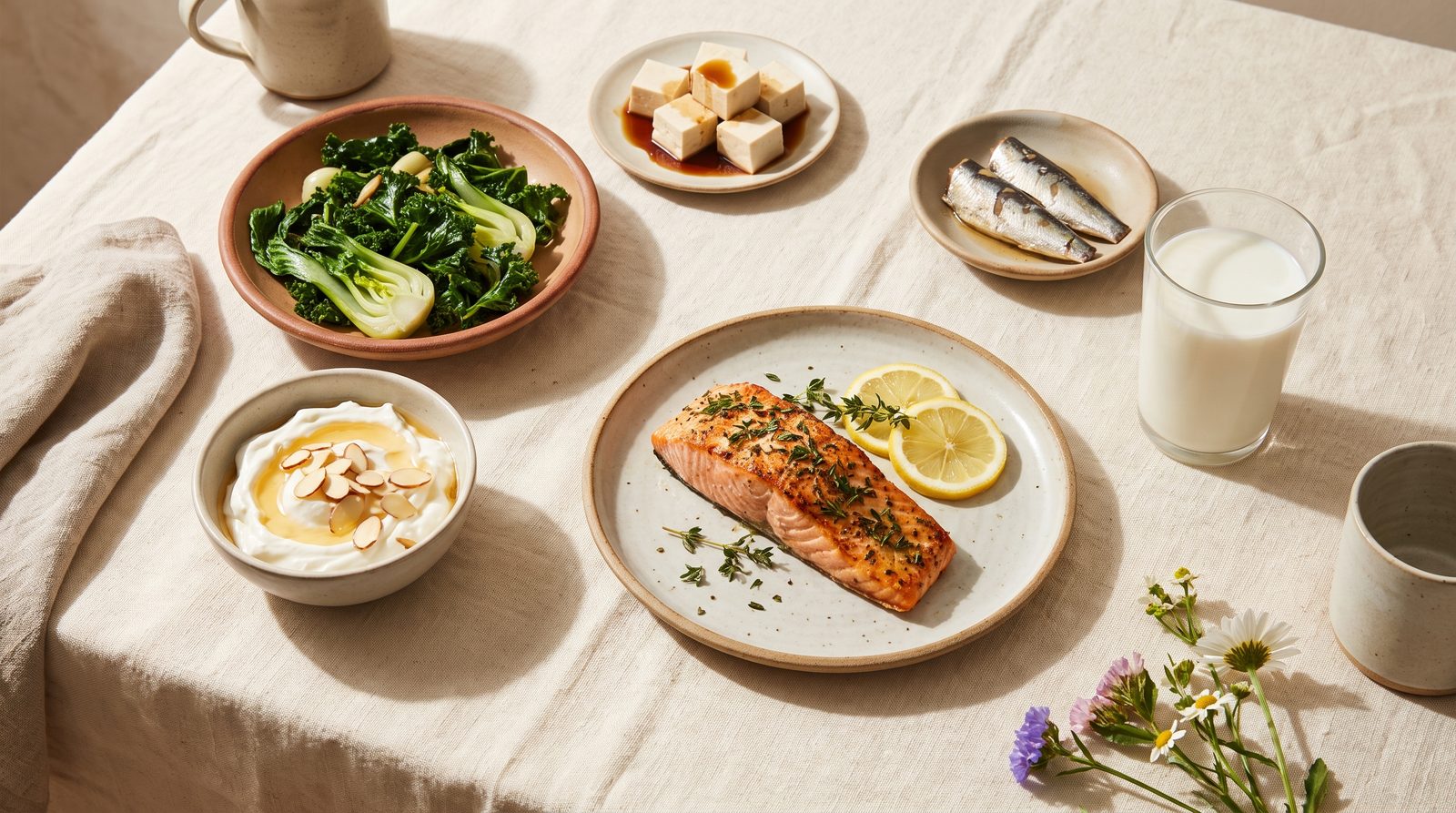
What to Eat in Menopause to Protect Your Bones
Bone loss speeds up after menopause, but food and movement give you real leverage. Here is the honest, cited guide to protein, calcium, vitamin D, and the exercise that actually builds bone.

Mid-Afternoon Energy Slumps: Why They Happen and How to Fix Them
The 3 p.m. crash is real biology, not a willpower problem. Here is what causes the afternoon energy slump for women, and the small, science-backed changes that actually help.

Cortisol and Women: The Science vs. the "Cortisol Face" Hype
Cortisol is everywhere online, and so is the misinformation. Here is the calm, cited truth about what cortisol does, what the viral claims get wrong, and what actually helps.
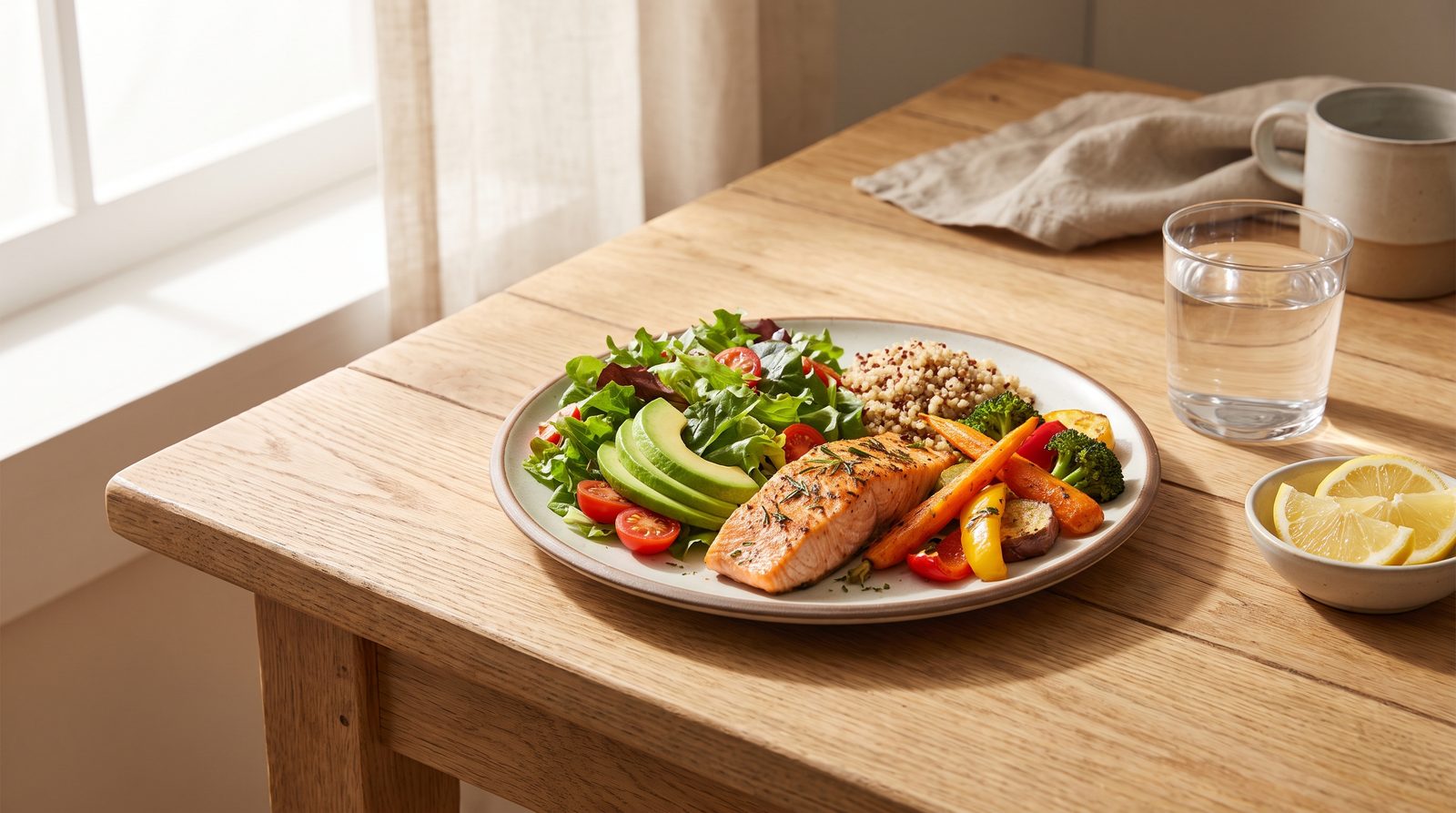
Blood Sugar Balance for Women: A Simple, No-Fear Guide
Steady blood sugar means steadier energy, fewer cravings, and calmer moods. Here is the honest, science-backed way for women to smooth out the spikes, minus the fear.

Perimenopause and Your Metabolism: What Actually Changes (and What Doesn't)
Your metabolism doesn't crash in perimenopause. Here's what really shifts, backed by research, plus gentle, doable steps that help.
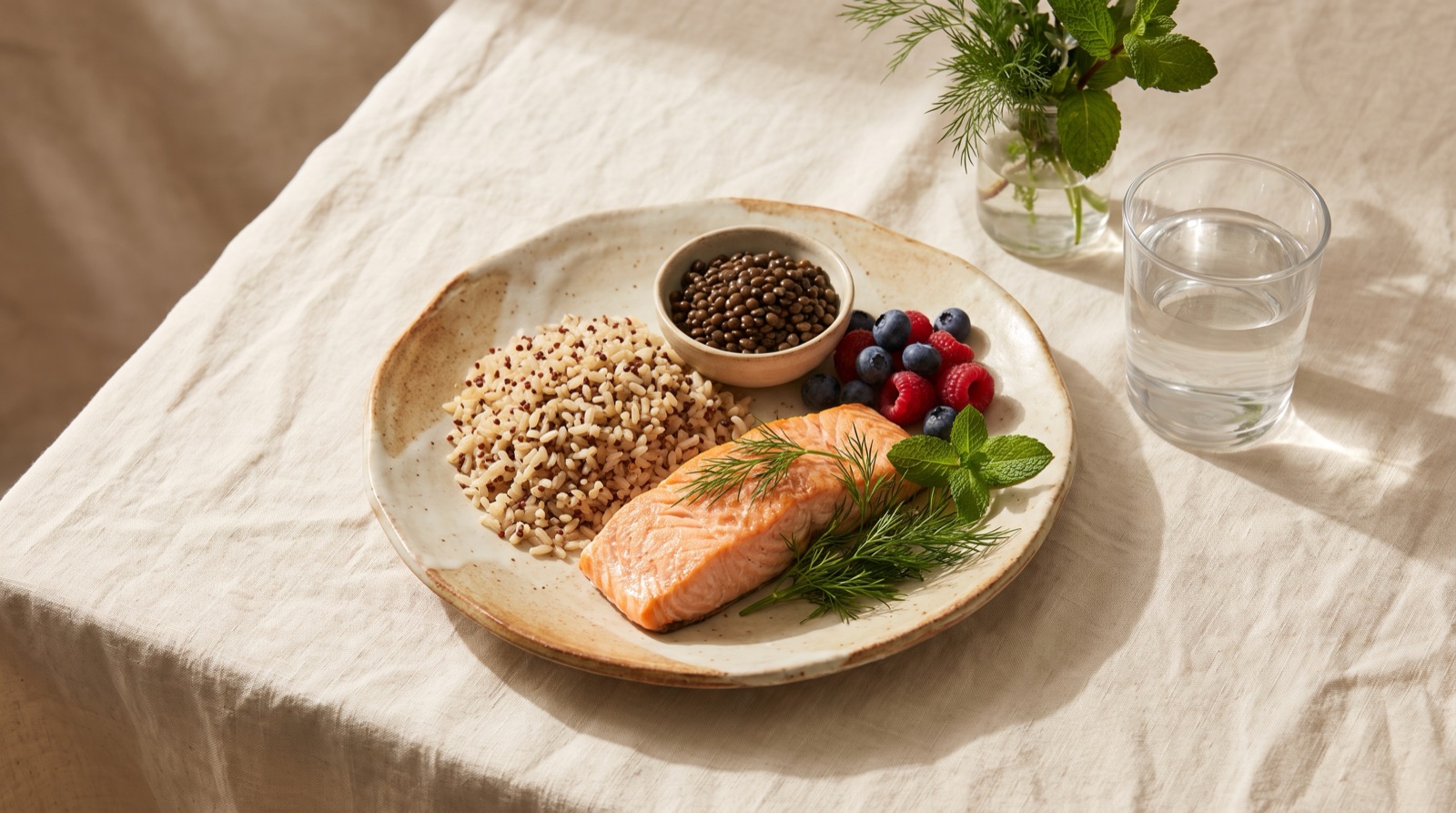
PCOS and Your Gut: The Surprising Link, and Gentle Ways to Feel Better
PCOS often starts with insulin resistance, and new research ties it to your gut too. Here are calm, science-backed steps to feel your best.
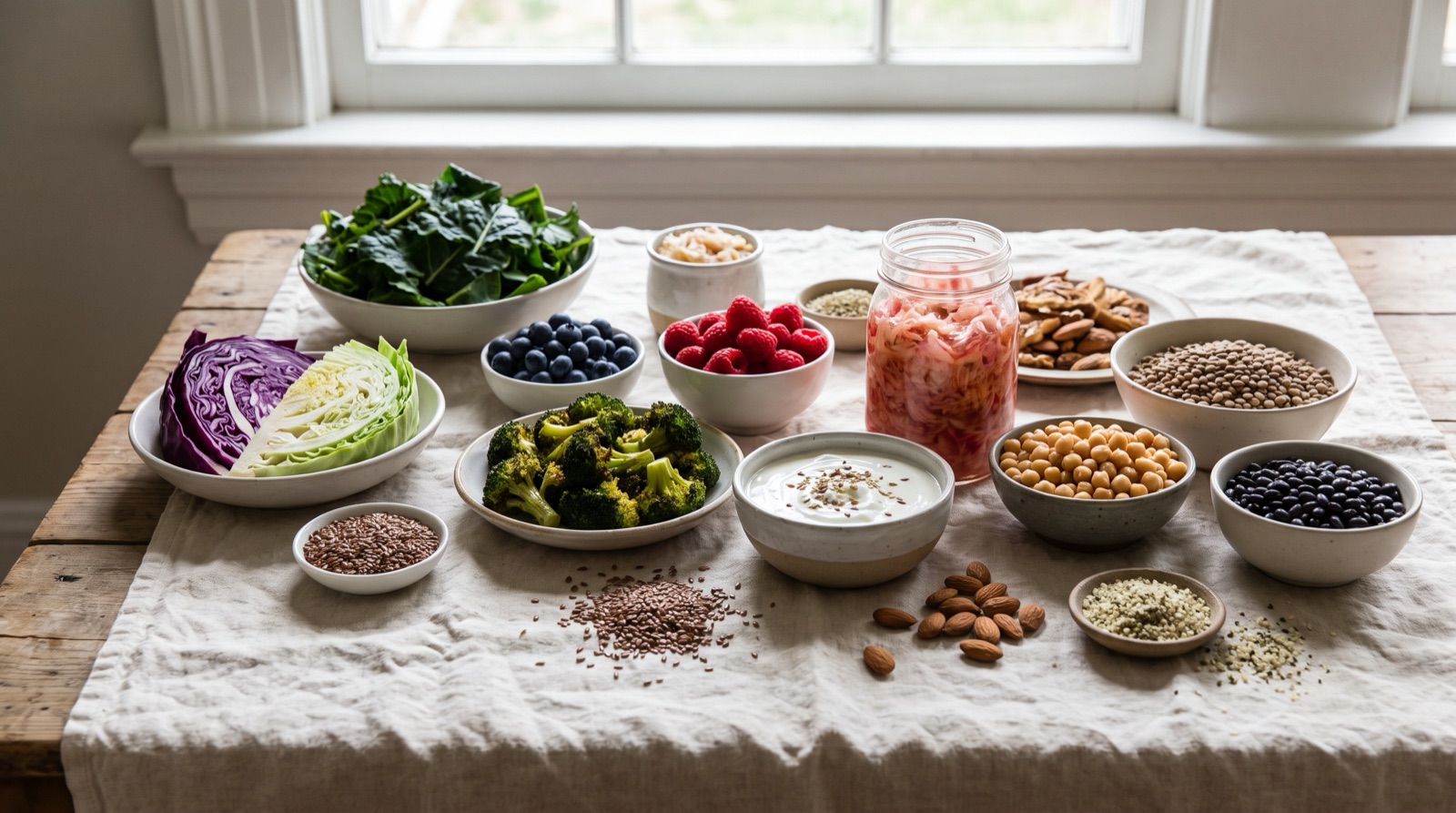
The Estrobolome: How Your Gut Bacteria Help Handle Your Estrogen
Meet the estrobolome, the gut microbes that help decide how much estrogen your body recycles or clears. Here is the honest, science-backed story.