Hormones
Gluten and Endometriosis: What the Research Actually Shows
One small 2012 study started the gluten free advice. Here is what it actually found, why reviewers say it is not enough, and what helps endo gut symptoms instead.
If you have been reading about gluten and endometriosis, here is the honest answer: there is no good evidence that cutting gluten treats endometriosis. One small study from 2012 is the reason the idea spread, and it had no comparison group. Reviewers who have gone through the research since then say a gluten free diet should not be recommended unless you also have celiac disease or non celiac wheat sensitivity. That does not mean your symptoms are imaginary. It means the gluten explanation probably is not the right one.
For the wider picture on eating with this condition, our guide to what the evidence supports for endometriosis and diet covers the full set of dietary questions.
Why so many women with endometriosis try cutting gluten
Endometriosis is not only a pelvic condition. Bloating, constipation, diarrhea, and abdominal cramping are common with it, and those symptoms overlap so much with irritable bowel syndrome that endometriosis is sometimes mistaken for IBS at first (van Haaps, 2024). If you have ever been told your endo pain is just your gut, you know how that feels.
Standard treatment does not always control the symptoms, and side effects make some women stop. So women look for something they can control themselves. Food is the obvious lever, and gluten is the one social media points at most often.
What the 2012 gluten free study actually found
Nearly every article you will read about gluten and endometriosis traces back to one paper. Italian researchers followed 207 women with severe endometriosis pain who went gluten free for 12 months. At the end, 156 of them, about 75 percent, reported a meaningful drop in pain scores. The other 25 percent reported no change. Nobody got worse (Marziali, 2012).
That sounds convincing until you look at how it was done. It was retrospective, which means the researchers looked back at records rather than running a planned trial. And there was no control group. Nobody was tracked eating a normal diet over the same 12 months for comparison.
Why the reviews say the evidence is not there
A 2024 review from a Dutch endometriosis center went through the whole picture and was blunt about it. The Marziali paper is the only published intervention study on gluten free eating for endometriosis, and its missing control group is a serious problem. Pain from endometriosis moves around on its own over a year, so some of that 75 percent may simply be the normal ups and downs of the condition.
The same review raised the placebo and nocebo question. If you believe gluten is hurting you, removing it can genuinely make you feel better, and eating it again can genuinely make you feel worse, without gluten doing anything at all. The authors also pointed to the Nurses' Health Study II, a very large tracking study, which found it unlikely that gluten intake was a strong factor in endometriosis. Their conclusion was that a gluten free diet should be discouraged unless a woman also has celiac disease or non celiac wheat sensitivity (van Haaps, 2024).
A 2026 clinical position paper went further and covered restrictive diets as a group. It found that current evidence does not support any specific diet as a treatment for endometriosis, and that gluten free, dairy free, and so called anti inflammatory diets can leave women short on nutrients and carrying an extra psychological load for no proven benefit (Baraut, 2026).
Does gluten cause endometriosis?
No. Nothing in the research shows gluten causes endometriosis, and no diet has been shown to shrink existing endometriosis tissue. The theories you will see online usually involve gluten loosening the junctions in the gut lining, which is the same idea behind what leaky gut actually means and what it does not. It is a plausible mechanism that has not been shown to play out for endometriosis specifically.
How long should you try a gluten free diet?
If you still want to test it, give it a fixed window rather than an open ended one. Six to eight weeks is long enough to notice a pattern and short enough that you are not living on a restricted diet indefinitely. Track your pain and your gut symptoms the whole time, including where you are in your cycle, because endometriosis symptoms swing with your cycle and it is easy to credit the diet for a good week.
Then reintroduce gluten and see what happens. If nothing changes, you have your answer and you get bread back. Tell your doctor before you start, because cutting gluten first can make celiac disease harder to diagnose later.
Who should actually avoid gluten
Two groups, and the evidence for both is solid. Women with celiac disease, an autoimmune reaction to gluten that damages the small intestine, need a strict gluten free diet for life. Women with non celiac wheat sensitivity, diagnosed after celiac has been ruled out, also do better without it. If either fits you, this is settled and you should keep going.
For everyone else, a gluten free diet is expensive, limits where you can eat, and can be low in fiber unless you plan around it. Fiber matters here, so if you do cut gluten, read how much fiber women actually need and easy ways to get it before you start.
Is dairy bad for endometriosis?
The research points the other way. A pooled analysis of studies covering food groups and endometriosis risk found that a higher intake of total dairy, both low fat and high fat, was linked to about a 10 percent lower risk (Arab, 2022). A separate dose response meta analysis on dairy specifically reached a similar conclusion (Qi, 2021).
These are observational studies, so they show a pattern rather than proof of cause. But there is no case in the research for cutting dairy out, and the 2026 position paper listed dairy free eating among the restrictive diets that are not supported (Baraut, 2026).
Is red meat bad for endometriosis?
This one has better evidence behind it than gluten does. Researchers followed 81,908 women in the Nurses' Health Study II from 1991 to 2013 and recorded 3,800 confirmed cases of endometriosis. Women eating more than two servings of red meat a day had a 56 percent higher risk than women eating the least (Yamamoto, 2018).
Two servings a day is a lot, and this is about who develops endometriosis rather than whether cutting red meat helps someone who already has it. Still, if you are looking for one food change with real data behind it, cutting back on red meat has more support than dropping gluten.
What actually helps the gut symptoms
If bloating, constipation, and abdominal pain are your main complaints, the low FODMAP diet has more evidence than gluten free eating does. A 2026 systematic review found five clinical studies, including one randomized crossover feeding trial in which a 28 day low FODMAP period produced a better gut response than a nutritionally matched control diet. The reviewers concluded a low FODMAP diet can reduce gut symptoms in women with endometriosis, especially those with abdominal pain, bloating, constipation, or IBS type symptoms (Watrowski, 2026).
Worth knowing: wheat is high in FODMAPs. So a woman who feels better without bread may be responding to the fermentable carbohydrates in wheat rather than to gluten. That distinction matters, because low FODMAP is meant to be a short elimination phase followed by structured reintroduction, not a permanent diet. Our guide to why IBS hits women harder and what actually helps walks through how that process works, and the real causes of bloating and what helps covers the simpler fixes worth trying first.
What to do instead
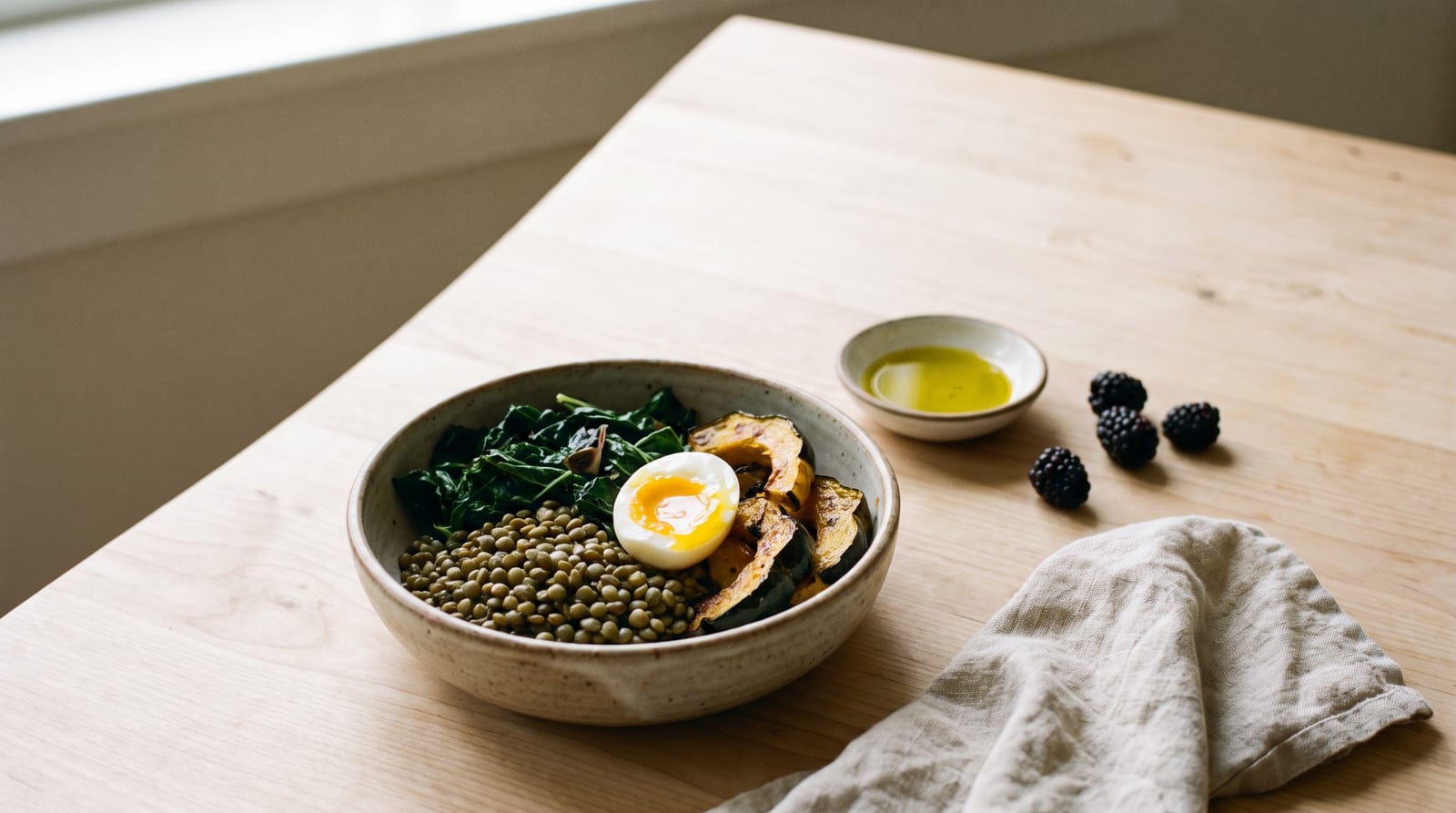
The 2026 position paper did point at something positive. Broad dietary patterns like the Mediterranean and DASH diets have strong general health evidence behind them, unlike any of the elimination diets (Baraut, 2026). That means plenty of vegetables, fruit, legumes, whole grains, fish, and olive oil, with less red and processed meat. It is additive rather than restrictive, which is easier to keep up and easier on your head.
If constipation is part of your picture, deal with it directly rather than through elimination. What actually helps constipation in women covers fiber, fluid, and the options worth asking about. And none of this replaces medical care for endometriosis. Diet is a tool for symptoms alongside treatment, not a substitute for it.
For more on hormone conditions and what the evidence really supports, browse our hormones coverage.
This article is general information, not medical advice. Talk to your doctor before making changes, especially if you are being assessed for celiac disease.
References
- Marziali M, Venza M, Lazzaro S, Lazzaro A, Micossi C, Stolfi VM. Gluten-free diet: a new strategy for management of painful endometriosis related symptoms? Minerva Chirurgica. 2012. PMID: 23334113
- van Haaps AP, Brouns F, Schreurs AMF, Keszthelyi D, Maas JWM, Mijatovic V. A gluten-free diet for endometriosis patients lacks evidence to recommend it. AJOG Global Reports. 2024. PMID: 39040659
- Baraut MC, et al. Nutrition and endometriosis: evidence, limits and clinical perspectives. Clinical Nutrition ESPEN. 2026. PMID: 41628666
- Yamamoto A, Harris HR, Vitonis AF, Chavarro JE, Missmer SA. A prospective cohort study of meat and fish consumption and endometriosis risk. American Journal of Obstetrics and Gynecology. 2018. PMID: 29870739
- Arab A, Karimi E, Vingrys K, et al. Food groups and nutrients consumption and risk of endometriosis: a systematic review and meta-analysis of observational studies. Nutrition Journal. 2022. PMID: 36138433
- Qi X, Zhang W, Ge M, et al. Relationship between dairy products intake and risk of endometriosis: a systematic review and dose-response meta-analysis. Frontiers in Nutrition. 2021. PMID: 34368211
- Watrowski R, Kostov S, Schafer SD, et al. Low-FODMAP diet for gastrointestinal symptoms in endometriosis: a systematic review. Nutrients. 2026. PMID: 42451164
Common questions
Does going gluten free help endometriosis?
There is no good evidence that it does. The one published intervention study followed 207 women for 12 months and found 75 percent reported less pain, but it was retrospective and had no control group, so there is nothing to compare that number against. A 2024 review concluded a gluten free diet should be discouraged unless you also have celiac disease or non celiac wheat sensitivity.
Can gluten cause endometriosis?
Nothing in the research shows gluten causes endometriosis, and no diet has been shown to shrink existing endometriosis tissue. The Nurses' Health Study II found it unlikely that gluten intake was a strong factor in the condition.
How long should I try a gluten free diet for endometriosis?
If you want to test it, give it six to eight weeks rather than an open ended trial, track your symptoms alongside your cycle, then reintroduce gluten and see whether anything changes. Tell your doctor first, because cutting gluten before testing can make celiac disease harder to diagnose.
Is dairy bad for endometriosis?
The research points the other way. A pooled analysis of observational studies found higher total dairy intake was linked to about a 10 percent lower risk of endometriosis. These studies show a pattern rather than cause and effect, but there is no evidence-based reason to cut dairy out.
Is red meat bad for endometriosis?
Red meat has more evidence behind it as an endometriosis risk than gluten does. In 81,908 women followed for over 20 years, those eating more than two servings of red meat a day had a 56 percent higher risk of endometriosis than those eating the least. That is about risk of developing it, not about treating it once you have it.
What diet actually helps endometriosis gut symptoms?
The low FODMAP diet has the best evidence for bloating, constipation, and abdominal pain with endometriosis. A 2026 systematic review found five studies, including a randomized crossover trial where 28 days of low FODMAP eating beat a matched control diet. It is meant as a short elimination phase with structured reintroduction, not a permanent diet.